Wallet Synchronization Effects on Blackjack Multi-Hand Sequences and Tiered Benefits in App Environments
Written by Freya Vogel · Aug 19, 2026
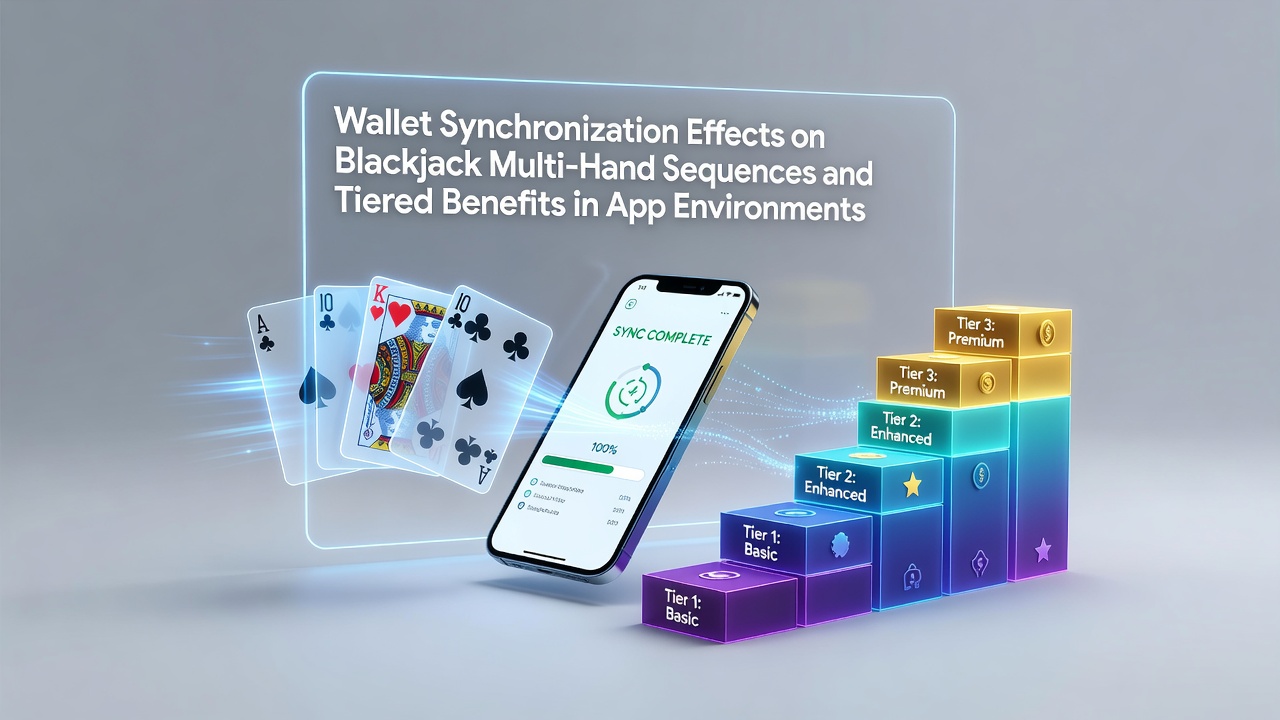
Wallet Synchronization Effects on Blackjack Multi-Hand Sequences and Tiered Benefits in App Environments
Wallet synchronization in mobile gaming platforms connects digital payment systems directly to live blackjack sessions, allowing balances to update across multiple hands without manual intervention, and this integration influences how players structure their sequences while advancing through loyalty structures. Research from university studies on digital gaming networks indicates that real-time data flows between wallets and game servers reduce latency during multi-hand rounds, enabling participants to adjust wager amounts based on current account status rather than waiting for separate confirmation steps.
Mechanics of Synchronization in App-Based Blackjack
Applications that link electronic wallets to table interfaces transmit transaction details instantly, so when a player places bets on several hands simultaneously the system deducts amounts and credits winnings without requiring additional logins or transfers. Observers note that platforms using this approach maintain continuous session data, which supports extended play sequences where participants can respond to card outcomes across hands in a single flow. Data compiled through industry reports in August 2026 shows increased adoption of these synchronized systems in regions with established mobile gambling regulations, including parts of North America and Asia-Pacific markets.
Technical protocols behind the process rely on secure application programming interfaces that verify funds before each hand begins, preventing overdrafts while permitting rapid reallocation of remaining balances. Experts from gaming technology firms explain that this setup minimizes interruptions during multi-hand sequences, allowing users to maintain focus on strategy elements such as splitting pairs or doubling down without exiting the interface.
Influence on Multi-Hand Play Patterns
Once wallets synchronize with the gaming environment, players often execute consecutive hands with adjusted stakes drawn from a unified balance display, and studies on digital table dynamics reveal shifts in betting patterns as participants track cumulative outcomes across rounds. Researchers at academic institutions examining mobile gambling behaviors found that synchronized accounts correlate with higher volumes of hands played per session because fund availability appears immediately after each resolution. This connectivity also affects how sequences unfold when users encounter winning or losing streaks, since automatic updates support decisions to continue or pause without separate financial checks.
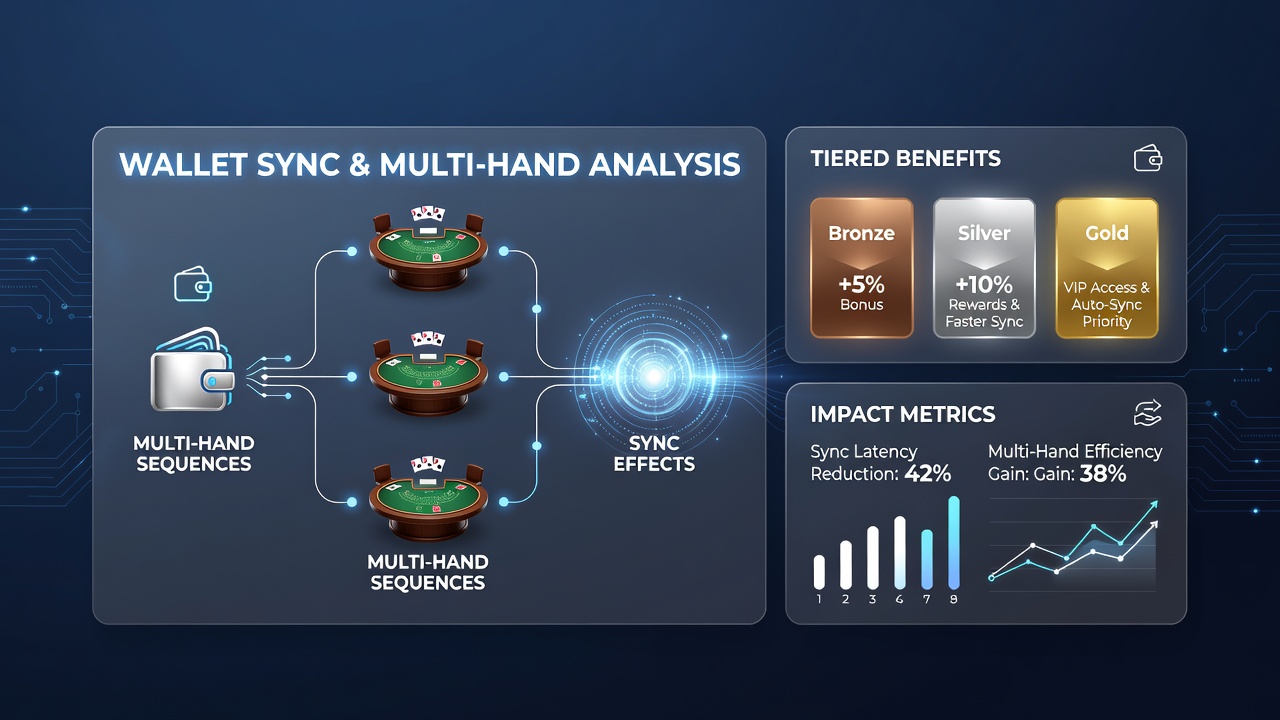
Case examples from operational data indicate that platforms with integrated wallets record changes in sequence length, particularly when users maintain active connections across devices. Those who monitor session metrics note that synchronization reduces the time between hands, which in turn alters the pace at which players accumulate hands toward bonus thresholds.
Connections to Tiered Benefit Structures
Loyalty programs within these applications track activity through the same synchronized channels, crediting points or status levels based on hands completed and amounts wagered in real time. According to findings from the Nevada Gaming Control Board on digital platform operations, integrated wallet systems streamline the recording of play data that determines tier progression, allowing users to access higher reward brackets without manual submission of activity logs. This linkage means that multi-hand sequences contribute directly to status advancement, with points calculated continuously as sessions progress.
Additional reports from the Victorian Commission for Gambling and Liquor Regulation document how such synchronization supports automated benefit delivery, including faster access to enhanced table limits or promotional credits once tier requirements are met. Participants in these environments experience seamless transitions between standard and premium features because account data flows without delay between the wallet, game engine, and rewards database.
Observed Trends in App Environments
Platforms that deploy wallet synchronization report measurable differences in how multi-hand blackjack interacts with tier systems, including quicker accumulation of qualifying activity during peak usage periods. Industry analyses highlight that users who maintain linked accounts tend to engage in longer sequences as the unified interface reduces friction associated with balance verification. Evidence from operational reviews suggests these effects appear consistently across various app versions released through 2026, with particular emphasis on features that display tier progress alongside active hands.
Conclusion
Wallet synchronization integrates payment processing with blackjack mechanics and loyalty tracking in mobile applications, producing direct effects on multi-hand sequences and the rate at which tiered benefits become available. Data from regulatory and academic sources continues to document these patterns as platforms refine their technical implementations, providing a factual basis for understanding current operational dynamics in app-based environments.