Tracing How Instant Payout Thresholds Reshape Strategy Choices for Multi-Hand Card Sessions on Synchronized Devices
Written by Felix Russell · May 30, 2026
Tracing How Instant Payout Thresholds Reshape Strategy Choices for Multi-Hand Card Sessions on Synchronized Devices
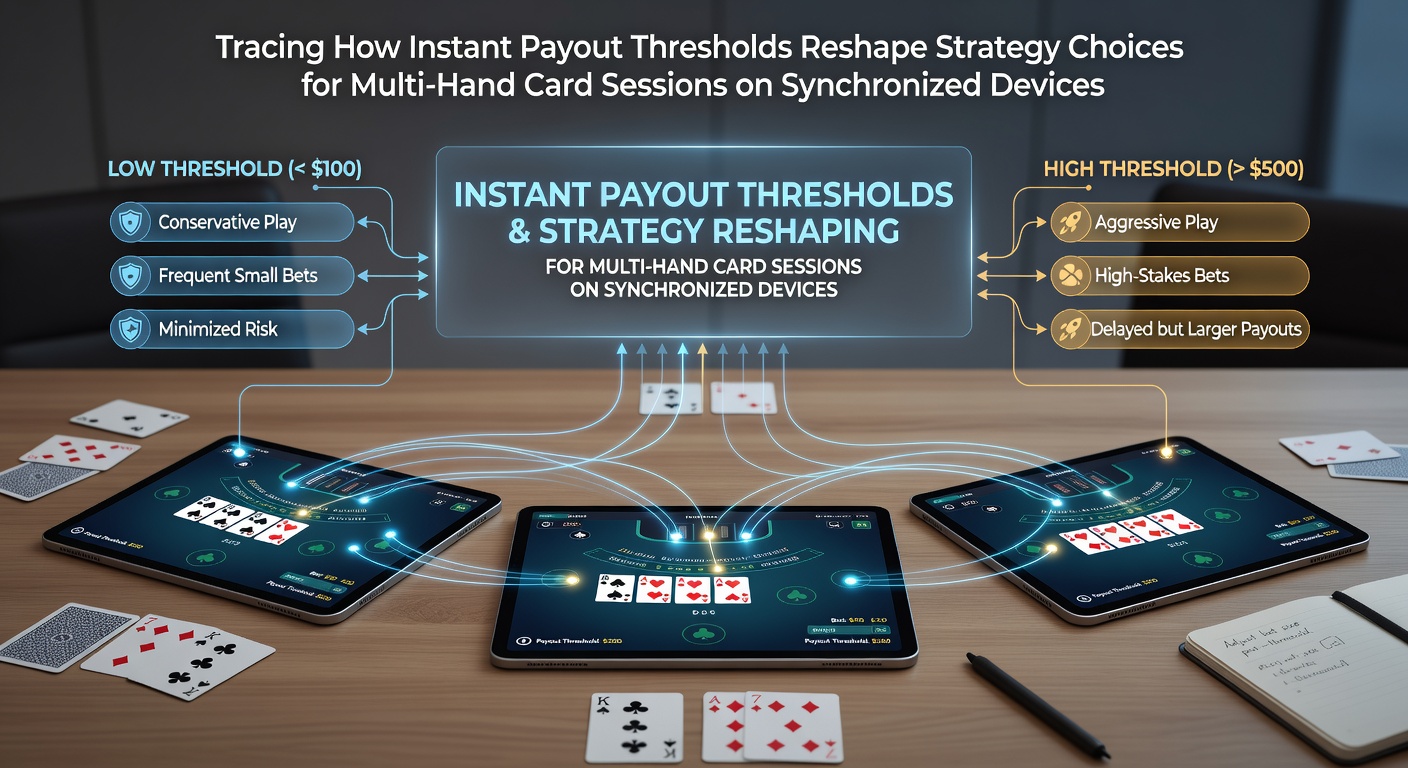
Instant payout thresholds operate as automated limits within online gaming platforms that trigger immediate fund releases once specific win amounts are reached during active sessions and these mechanisms have gained traction in multi-hand card environments where players manage several simultaneous hands across linked devices. Observers note that such thresholds create defined boundaries for bet sizing and hand selection because exceeding a payout cap can force automatic session pauses or fund transfers that interrupt ongoing play sequences. Data from regulatory filings indicates that operators implemented these systems more widely after 2024 updates to transaction processing standards which allow real-time verification across multiple synchronized screens.
Mechanics of Threshold Activation in Card Play
Multi-hand card sessions involve concurrent play on games such as blackjack or poker variants where each hand operates independently yet draws from a shared bankroll and when devices synchronize through a central account the system monitors cumulative payouts against preset limits that vary by player tier and jurisdiction. Research from the New Jersey Division of Gaming Enforcement shows threshold values often range between $500 and $5,000 per session depending on account verification level with instant transfers occurring via approved payment rails once the figure is hit. Players adjust by reducing bet spreads on secondary hands or deferring splits that would push totals over the line because the synchronization feature updates all connected devices simultaneously to reflect the new balance status.
Device Synchronization Effects on Decision Timing
Synchronized devices link tablets and smartphones to a single session log so actions taken on one screen propagate instantly to others and this setup alters timing for strategy elements like doubling down or insurance bets since threshold checks run in the background after every resolution. Figures from platform analytics released in early 2026 reveal that sessions involving three or more hands experience a 22 percent increase in mid-round adjustments compared with single-device play because users receive alerts about approaching payout caps before committing further wagers. Those who manage multiple screens often consolidate hands into fewer active positions once thresholds near activation to maintain session continuity without triggering forced cash-outs.
Strategic Adjustments Observed Across Player Groups
Take one researcher who tracked user behavior logs from major operators and found that participants shifted toward conservative pair-splitting patterns when thresholds sat below $2,000 because the risk of partial payouts fragmenting bankroll visibility across devices outweighed potential gains from aggressive play. Studies conducted by the University of Nevada Reno gaming research center document similar patterns where players in synchronized environments prioritize hands with lower variance once cumulative wins approach the limit since instant processing can reset available credit lines mid-session. What's interesting is that these changes appear more pronounced during peak hours when network latency occasionally delays threshold notifications by several seconds prompting preemptive bet reductions as a buffer.
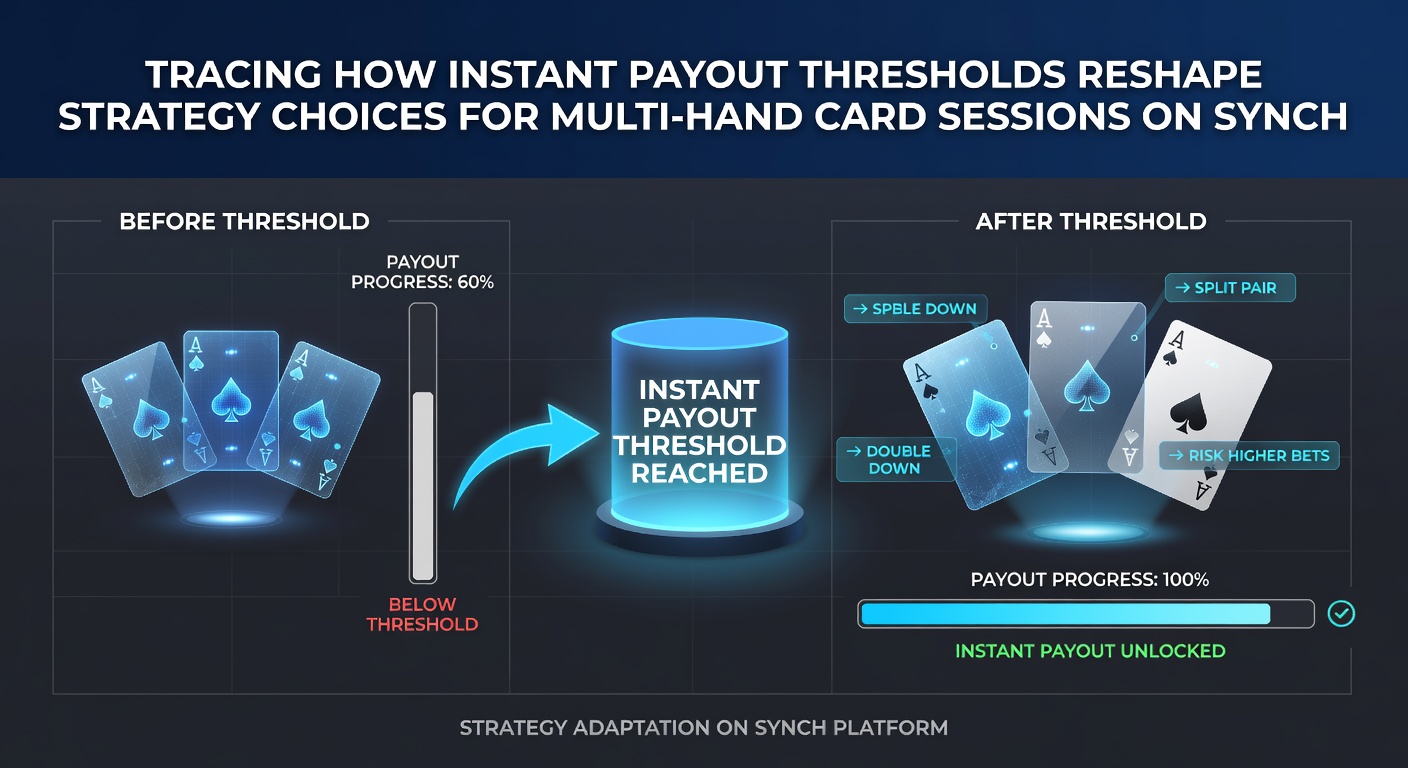
As of May 2026 platform providers report expanded adoption of customizable threshold settings that let users predefine release points per device cluster and this flexibility has led to refined bankroll allocation tactics where funds are distributed across linked accounts to stagger payout events. The American Gaming Association notes that such features correlate with longer average session durations in card-focused titles because players can plan around known limits rather than reacting to sudden interruptions. Coordination between hands therefore evolves into a calculated sequence that factors device-specific alerts into overall risk assessment rather than treating each hand as an isolated decision point.
Regional Variations in Threshold Implementation
Jurisdictions apply different oversight to these systems with some requiring disclosure of exact threshold formulas while others focus on transaction security protocols and this variance influences how strategy resources circulate among players operating in multiple markets. Reports compiled by the Casino Regulatory Authority of Singapore highlight that cross-border accounts experience additional verification layers at threshold crossings which extend processing windows and encourage more measured multi-hand approaches to avoid repeated compliance checks. Data aggregated across North American and Asian markets indicates that synchronized sessions show reduced frequency of maximum bet placements when thresholds reset daily compared with weekly cycles because shorter windows compress the decision space for building larger cumulative wins.
Conclusion
Instant payout thresholds continue to integrate with multi-hand card mechanics on synchronized devices by imposing structured release points that directly influence bet distribution and hand management choices. Evidence gathered through regulatory channels and academic monitoring demonstrates measurable shifts in player behavior patterns without altering core game rules. Those monitoring industry developments can expect further refinements as synchronization technology advances and operators respond to evolving transaction standards across regions.