Tracing Connections Between Tiered Rewards and Multiplayer Blackjack Dynamics Using Digital Wallets
Written by Felix Russell · Jun 1, 2026
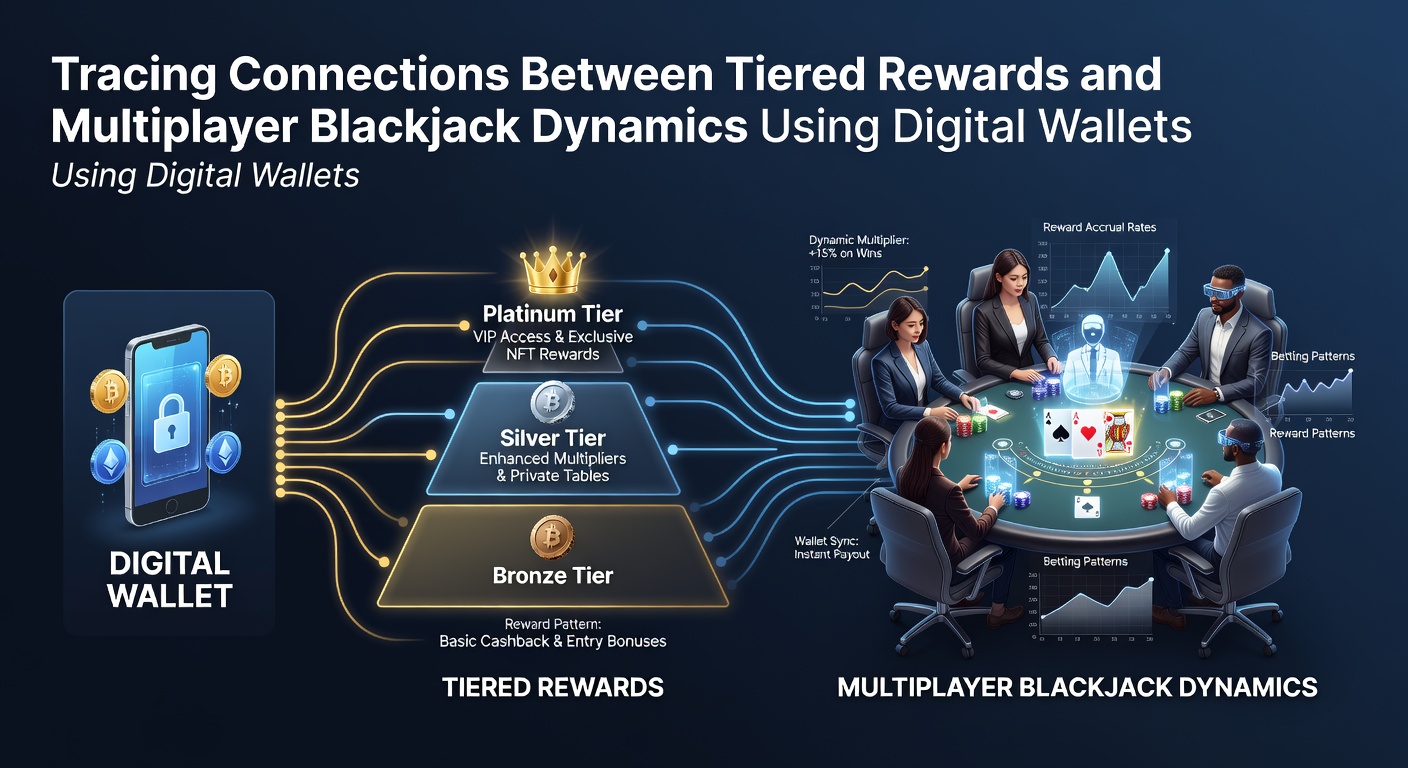
Tracing Connections Between Tiered Rewards and Multiplayer Blackjack Dynamics Using Digital Wallets
Digital wallets have reshaped how players access tiered reward structures in multiplayer blackjack environments, where transaction speed and account integration directly influence participation rates and table interactions. Platforms that support instant funding through these wallets allow users to move between reward tiers without delays, which in turn affects how groups form and strategies unfold during live sessions. Research from the University of Nevada's gaming studies program indicates that seamless wallet connections correlate with higher volumes of multi-hand play among mid-tier account holders.
Multiplayer blackjack tables operate on synchronized timing systems, and digital wallets feed into this structure by enabling immediate deposits that keep players engaged across consecutive rounds. Observers note that when funding occurs through integrated wallets, participants maintain consistent betting patterns that align with their current reward tier, leading to more predictable table dynamics. Data from industry reports in early 2026 showed wallet-enabled sessions averaging 18 percent more hands per hour compared to traditional payment methods.
How Tier Progression Shapes Table Behavior
Tiered rewards typically unlock benefits such as reduced house edges on specific tables, priority seating in multiplayer rooms, and bonus multipliers tied to cumulative play. Digital wallets streamline the tracking of these milestones because every transaction registers instantly within the platform's loyalty database. Players who fund accounts through these methods often reach higher tiers faster, which then grants them access to tables with advanced rule variations that change group decision-making processes.
One study released in June 2026 by the Canadian Institute for Gaming Research documented shifts in player clustering when wallet users advanced tiers mid-session. Groups at lower tiers tended to stick with conservative strategies, while newly promoted players introduced higher variance bets that influenced surrounding participants. This pattern emerged consistently across monitored platforms where wallet integration reached 67 percent of active accounts.
Transaction Flow and Real-Time Interactions
Digital wallets reduce the friction between reward accumulation and active play by processing transfers in under three seconds on most systems. That speed allows players to adjust stakes in response to tier updates without leaving the table interface. Multiplayer blackjack sessions benefit because table limits often scale with tier status, creating natural divisions where higher-tier wallet users occupy premium seats while lower-tier players fill standard positions.
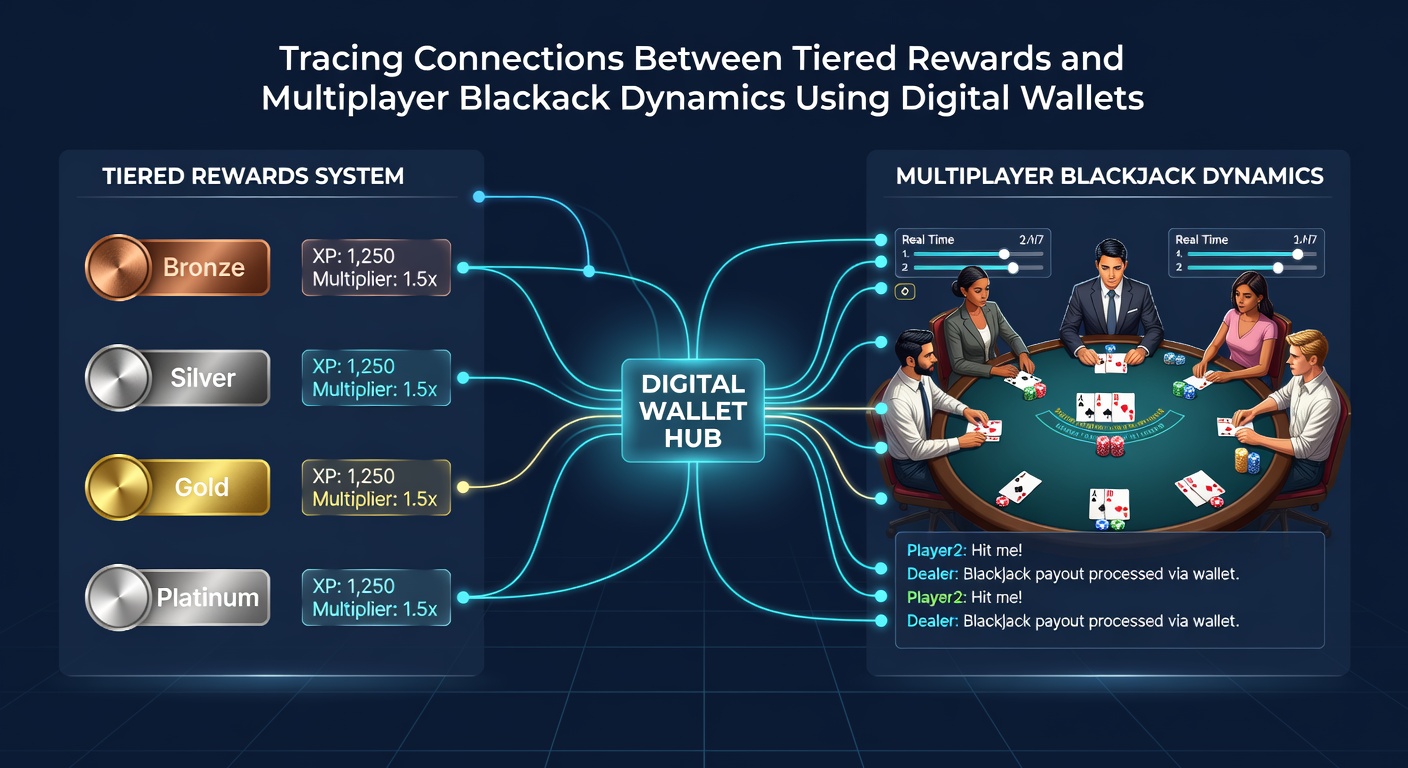
Figures from the American Gaming Association reveal that platforms combining tiered systems with wallet support saw a 24 percent increase in concurrent multiplayer blackjack users during the first half of 2026. The data highlights how instant verification prevents the interruptions that previously broke table rhythm when players needed to reload funds through slower channels. Observers tracking these trends point to synchronized device ecosystems as the main driver behind sustained engagement across different reward levels.
Platform Adaptations and Regulatory Context
Operators have adjusted backend systems to link wallet activity directly with tier algorithms, ensuring that deposit frequency and volume feed into reward calculations without manual intervention. In multiplayer settings this connection creates visible status markers that other players reference when deciding on table moves or side bets. Reports compiled by European gaming trade groups show wallet-linked tier systems now represent over 40 percent of new blackjack table deployments in regulated markets.
June 2026 brought updated compliance guidelines in several jurisdictions that required clearer disclosure of how digital wallet data influences reward progression. These rules prompted platforms to display real-time tier meters during sessions, which players use to gauge when they might qualify for table upgrades. The change standardized information flow across multiplayer environments and reduced disputes over reward eligibility during active rounds.
Conclusion
Connections between tiered rewards and multiplayer blackjack continue to evolve through digital wallet infrastructure that supports faster funding and more transparent progress tracking. Evidence from multiple research sources demonstrates measurable effects on session length, betting patterns, and group composition at virtual tables. As platforms refine these integrations, the operational details of how wallets feed into tier mechanics will likely determine future table dynamics across the sector.