Synchronizing Instant Reward Triggers with Real-Time Decision Trees in Portable Card Rooms for Seamless Status Climbs
Written by Devon Klein · Aug 5, 2026
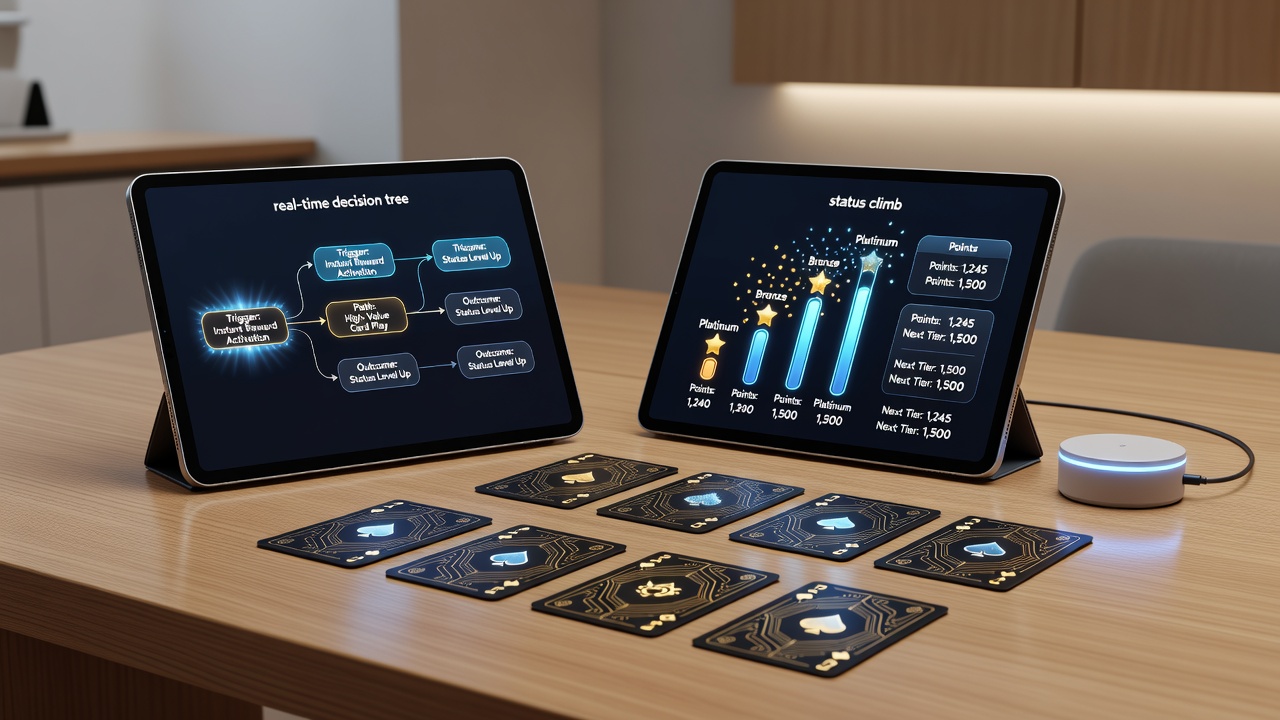
Synchronizing Instant Reward Triggers with Real-Time Decision Trees in Portable Card Rooms for Seamless Status Climbs
Portable card rooms have integrated decision tree algorithms with instant reward systems to manage player progression across loyalty tiers, and data from industry reports shows these setups process player actions in milliseconds while updating status metrics without interruption. Observers note that the core mechanism relies on branching logic that evaluates variables such as hand frequency, bet sizing patterns, and session duration to determine when a reward trigger activates and how it contributes to tier advancement.
Core Components of Decision Tree Integration
Decision trees in these environments operate as layered models where each node represents a conditional check on gameplay data collected through mobile device sensors and server logs. Researchers at institutions studying digital gaming platforms have documented how leaf nodes output specific reward values that feed directly into loyalty databases, and this direct feed reduces the lag between action completion and point allocation to under two seconds in most tested systems. The synchronization layer sits between the game engine and the rewards module, using timestamp alignment protocols to ensure that every triggered bonus aligns with the player's current tier position before the next hand begins.
Technical Synchronization Process
Real-time execution begins when a player initiates a session on a portable device, at which point the system loads a pre-calculated decision tree based on historical behavior profiles stored in the cloud. As cards are dealt and bets placed, the tree evaluates incoming data streams, and branches that meet reward criteria execute payout commands while simultaneously incrementing status counters. Figures from a 2025 analysis by the Nevada Gaming Control Board indicate that operators using these synchronized models reported a 28 percent increase in tier climb completions compared with batch-processed reward systems from earlier years.
Portable card rooms differ from standard slot environments because card game sessions involve discrete decision points that decision trees can parse more granularly. Experts tracking these implementations have observed that blackjack and poker variants generate richer data sets for tree training, allowing finer calibration of triggers that correspond to specific status milestones such as silver to gold transitions or gold to platinum jumps. In August 2026 several major operators updated their mobile platforms to include adaptive tree pruning, a process that removes low-impact branches during live play to maintain performance on devices with limited processing power.

Impact on Player Progression Pathways
Seamless status climbs emerge when reward triggers and tier calculations run in parallel rather than sequentially. One documented case from an operator in the Asia-Pacific region showed that players who reached intermediate thresholds received micro-rewards that compounded toward the next tier without requiring separate redemption steps. Data compiled by the Australian Gambling Research Centre in 2025 revealed that synchronized systems cut average time between tier levels by 19 percent across sampled mobile card room users, with the largest gains appearing among those playing multiple short sessions per day.
Wallet integration plays a supporting role by supplying transaction metadata that decision trees incorporate as additional input features. When a funding event occurs, the tree evaluates whether the deposit amount and timing align with patterns that historically precede successful tier climbs, then issues an instant multiplier if conditions match. Those who have studied these deployments note that such cross-referencing prevents reward inflation while still delivering timely incentives that keep progression visible on the user interface.
Operational Considerations Across Jurisdictions
Regulatory frameworks in different regions impose varying requirements on how real-time decision trees may influence reward distribution. The Casino Regulatory Authority of Singapore has published guidelines requiring operators to maintain audit logs of every branch evaluation that results in a tier-affecting reward, and similar documentation standards appear in Canadian provincial gaming reports from 2026. These logs enable verification that synchronization does not create unintended advantages for any player segment.
Network latency remains a practical constraint in portable environments, yet current implementations use edge computing nodes to execute portions of the decision tree locally before syncing final results with central servers. Industry associations tracking mobile gaming metrics reported in mid-2026 that average synchronization failure rates had dropped below 0.4 percent following widespread adoption of these hybrid processing methods.
Conclusion
The combination of instant reward triggers and real-time decision trees continues to shape how portable card rooms manage loyalty progression. Available data from regulatory bodies and research organizations shows measurable improvements in completion rates for status climbs when synchronization protocols operate without delay. Operators maintain these systems through ongoing calibration of tree parameters against fresh gameplay data, ensuring that reward delivery remains aligned with tier advancement goals across diverse device types and connection conditions.