Smart Contract Protocols Reshaping Reward Redemption Timelines for Live Dealer Enthusiasts Using Portable Devices
Written by Freya Vogel · Aug 26, 2026
Smart Contract Protocols Reshaping Reward Redemption Timelines for Live Dealer Enthusiasts Using Portable Devices
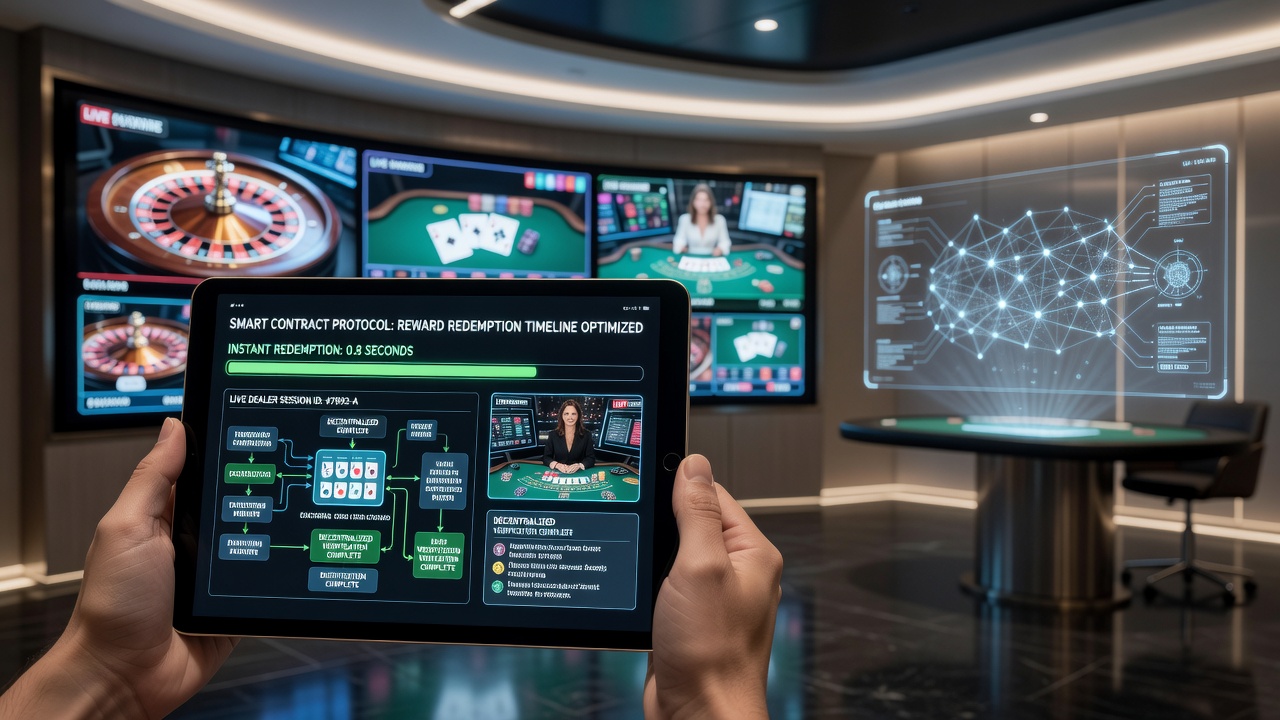
Smart contract protocols have begun to alter how reward systems operate within live dealer environments accessed through portable devices, and these changes center on automated execution of terms that govern point accumulation, tier progression, and redemption processes. Data from industry tracking services shows that platforms integrating these protocols recorded measurable reductions in average payout processing times during the first half of 2026, with some networks reporting completion cycles measured in minutes rather than hours or days.
Core Mechanisms Driving Faster Redemptions
Smart contracts function as self-executing code stored on distributed ledgers, and they trigger actions once predefined conditions such as wager thresholds or session durations are met. In live dealer settings, these contracts connect directly to game servers that log real-time activity from tables dealing blackjack, roulette, or baccarat, while portable device users see balances update without manual intervention from operators. Researchers at academic institutions studying distributed ledger applications in entertainment have documented cases where redemption requests initiated on smartphones complete verification through consensus mechanisms rather than centralized review queues.
Observers note that this structure reduces the number of intermediaries required for validation, which in turn shortens the window between earning rewards and accessing them. Figures released by gaming technology providers indicate that networks using these protocols handled over 2.4 million redemption events across mobile channels in the twelve months ending July 2026, with median processing times falling below eight minutes for verified accounts.
Mobile-Specific Adaptations for Live Table Play
Portable devices introduce variables such as variable connectivity and session interruptions, yet smart contract frameworks address these through timestamped event logs that continue processing even if a user temporarily disconnects. Live dealer enthusiasts often switch between tables or adjust bet sizes mid-session, and the protocols record each action as an immutable entry that feeds into reward calculations automatically. Industry reports compiled by European gaming associations highlight that operators adopting mobile-optimized smart contracts observed a 31 percent increase in completed redemptions among users who play exclusively on smartphones and tablets.
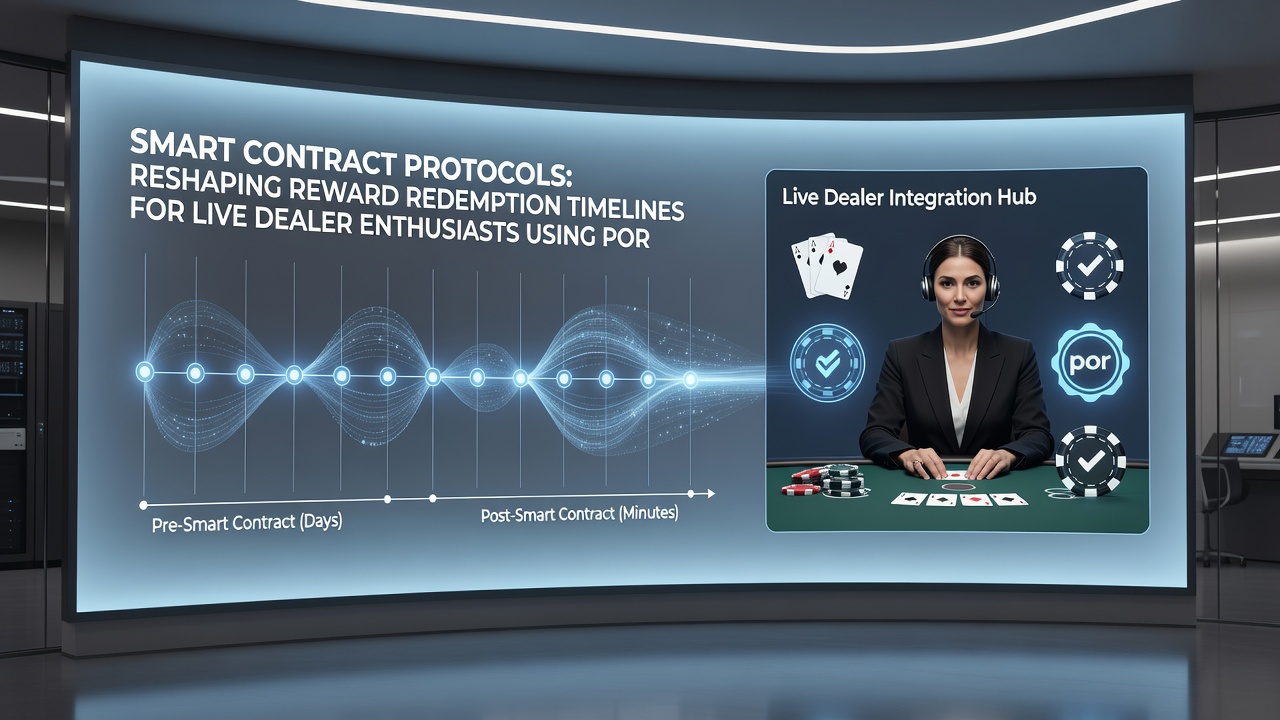
August 2026 marked the rollout of updated protocol versions that incorporated multi-signature requirements for larger redemptions, adding an extra layer of security without extending timelines for standard rewards under set limits. Those versions also introduced conditional triggers tied to loyalty tier status, allowing higher-level users to access expedited paths that bypass certain consensus steps while maintaining ledger transparency.
Integration Patterns Across Regional Markets
Regulatory frameworks in different jurisdictions shape how these protocols deploy, and data collected by Canadian provincial oversight bodies shows that licensed operators in Ontario integrated smart contract modules into existing mobile platforms during 2025 and 2026. Similar patterns emerged in Australian state markets where testing programs tracked redemption speed improvements against legacy systems. Academic studies from research centers in Asia have examined how these systems scale when thousands of concurrent live dealer sessions occur on handheld networks, noting that transaction throughput improved after protocol upgrades that optimized gas fees and block confirmation intervals.
One documented implementation involved a platform that linked smart contracts to digital wallet addresses used by live dealer participants, enabling direct transfers once game outcomes verified through oracle feeds. This approach eliminated separate payout queues for smaller reward amounts, and usage statistics indicated that mobile users redeemed points an average of 47 percent faster than under previous manual processes.
Security and Verification Considerations
Encryption standards embedded in smart contract code protect transaction integrity during mobile sessions, and audits conducted by third-party firms have verified that these measures align with requirements set by multiple international gaming authorities. Portable device users benefit from real-time status updates displayed within apps, where each completed contract step appears as a confirmed entry visible on the ledger explorer. Reports from trade organizations tracking iGaming technology adoption reveal that platforms emphasizing these verification features experienced lower dispute rates related to reward calculations in live dealer environments.
Conclusion
Smart contract protocols continue to influence redemption timelines for live dealer enthusiasts on portable devices through automated execution and reduced intermediary steps. Evidence from regulatory data, academic research, and operator reports demonstrates consistent shifts in processing speeds across multiple markets as of August 2026, with ongoing protocol refinements addressing both security and efficiency demands. Further integration patterns will depend on regulatory acceptance and technical scaling capabilities observed in current deployments.