Slot Game Volatility Patterns and Their Direct Ties to Advancing Through Casino Loyalty Structures on Wireless Platforms
Written by Devon Klein · Jun 3, 2026
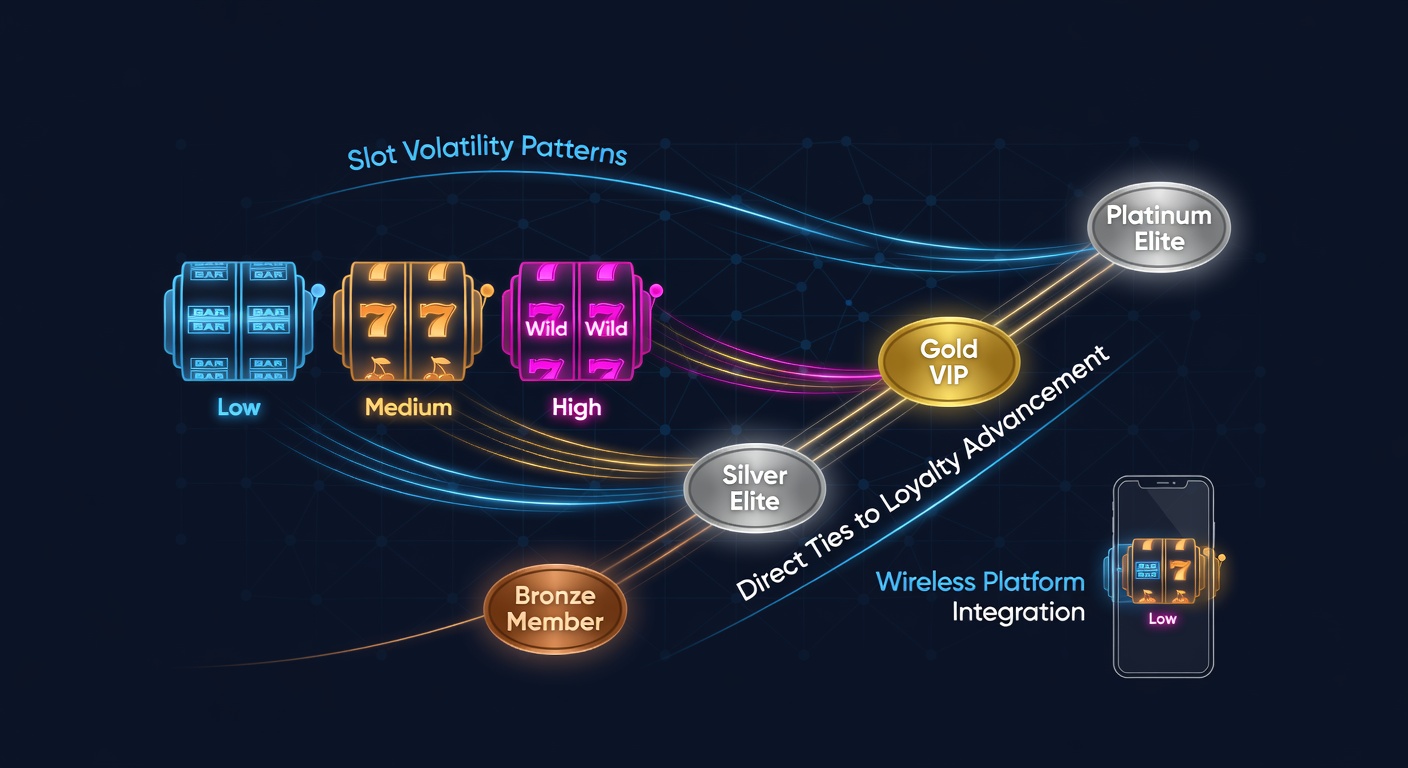
Slot Game Volatility Patterns and Their Direct Ties to Advancing Through Casino Loyalty Structures on Wireless Platforms
Slot game volatility patterns shape how players accumulate rewards within casino loyalty programs on mobile devices, and data from multiple regulatory bodies tracks these connections across wireless platforms. Volatility refers to the frequency and size of payouts in slot titles, with low-volatility games delivering smaller wins more often while high-volatility options produce larger payouts at less predictable intervals. Observers note that these patterns influence session length and betting behavior, which in turn affect points earned toward tier advancement in loyalty structures.
Understanding Volatility Classifications in Mobile Contexts
Game developers categorize slots into low, medium, and high volatility brackets based on return-to-player distributions and payout rhythms. Research from the iGaming Ontario indicates that mobile users encounter these classifications through in-game metrics displayed on wireless interfaces, allowing participants to adjust strategies during play. Low-volatility titles support extended sessions because frequent small returns encourage continued spins, whereas high-volatility games often prompt shorter bursts followed by breaks when balances fluctuate sharply.
Platform algorithms on smartphones and tablets record these patterns in real time, feeding data directly into loyalty tracking systems. Figures from June 2026 reveal that operators integrated volatility filters into their mobile apps to help users select games aligned with their preferred pace of reward accumulation. Those filters connect session statistics to loyalty point multipliers, creating measurable links between game choice and tier progression speed.
Loyalty Tier Mechanics and Point Accumulation on Wireless Platforms
Casino loyalty structures award points based on wager volume, time spent, and sometimes game-specific multipliers. On wireless platforms, these systems update instantly through synchronized accounts that pull data from both low-volatility and high-volatility sessions. Medium-volatility slots, which balance payout size and frequency, often generate steady point streams that accelerate movement from entry-level tiers to mid-tier status without requiring extreme bankroll swings.
Operators apply different multipliers depending on volatility settings, and evidence from industry reports shows that high-volatility selections sometimes carry bonus point rates during promotional windows. This setup encourages mobile users to rotate between volatility types to optimize their advancement trajectory. Data collected through app analytics demonstrates that players who alternate game types maintain more consistent loyalty progress compared with those who stick exclusively to one volatility category.
Patterns Observed in June 2026 Mobile Data
Analytics compiled through June 2026 highlight distinct behaviors tied to volatility on handheld devices. Users engaging high-volatility slots on mobile recorded larger single-session point hauls yet displayed greater variance in daily loyalty gains. In contrast, low-volatility play produced smaller but more predictable increments that supported incremental tier climbs over multiple days. These patterns appear in aggregated reports from gaming authorities in several jurisdictions and reflect how device portability influences session timing and frequency.
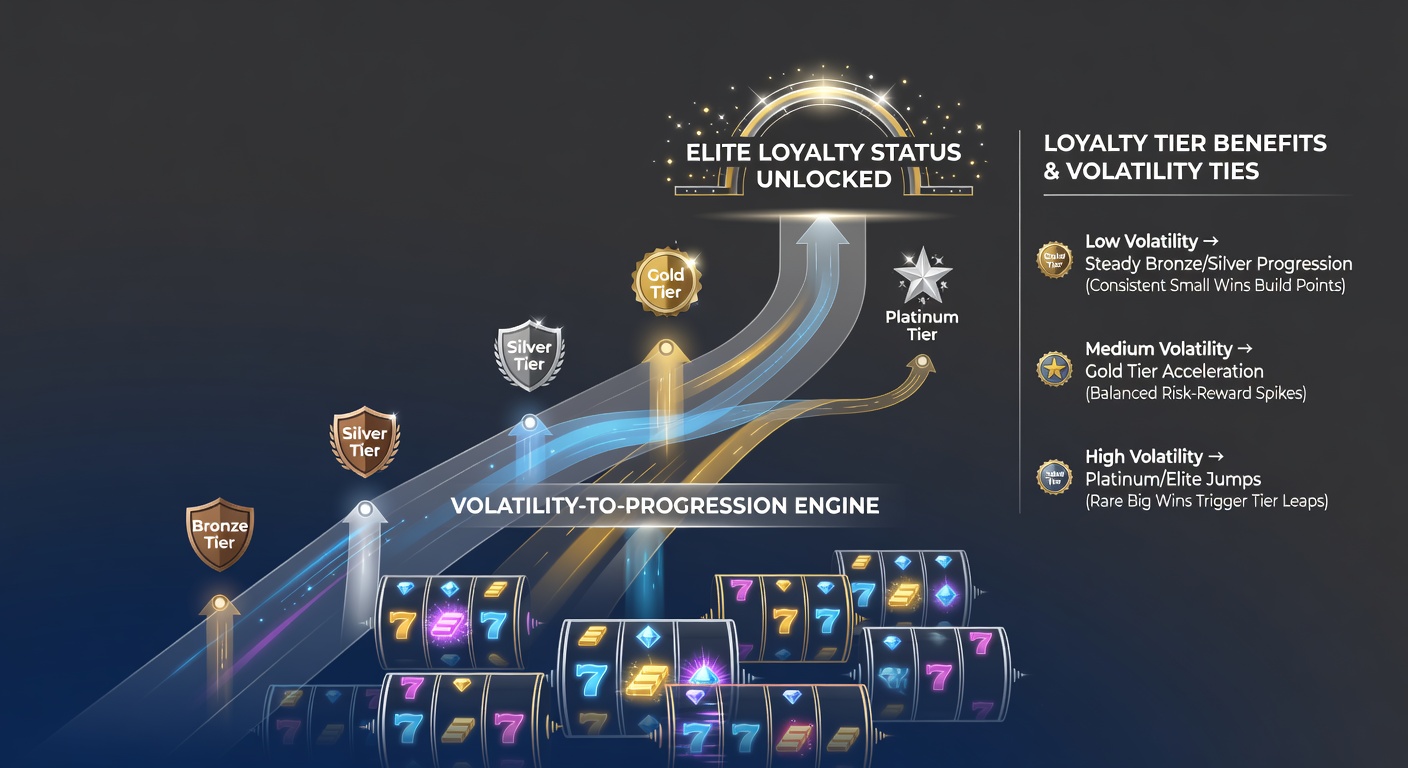
Wireless platforms also incorporate push notifications that alert users when their current game volatility aligns with upcoming loyalty challenges. Such features emerged more prominently after platform updates rolled out in early 2026, allowing participants to shift between titles without losing accumulated progress toward the next tier. Studies from the Australian Gambling Research Centre show that these notification systems correlate with higher retention rates among mobile loyalty members who actively monitor volatility indicators.
Device-Specific Factors Affecting Loyalty Advancement
Screen size, touch responsiveness, and battery life on wireless devices indirectly shape how volatility patterns translate into loyalty gains. Shorter attention spans during mobile sessions favor low-volatility games that deliver quicker feedback loops, while users with longer uninterrupted time may pursue high-volatility options for larger point bursts. Loyalty programs adjust for these variables by offering tier bonuses that scale with total mobile wagers rather than individual game outcomes.
Cross-device synchronization ensures that points earned on smartphones carry over to tablets or other wireless hardware, maintaining continuity in tier status. Reports compiled through mid-2026 indicate that operators refined these systems to reduce discrepancies caused by volatility-driven session differences. The result is a more uniform advancement path regardless of which volatility pattern a player selects during any given mobile session.
Conclusion
Slot volatility patterns connect directly to loyalty advancement on wireless platforms through measurable influences on session length, point accumulation rates, and game selection habits. Data gathered up to June 2026 demonstrates that mobile users who understand these connections can align their play with specific tier goals. Regulatory records and platform analytics continue to document how volatility classifications interact with loyalty mechanics, providing transparent metrics that shape player decisions across handheld ecosystems.