Roulette on the Move: Adapting Wheel Strategies for Smartphone Screens
Written by David Bauer · Apr 25, 2026
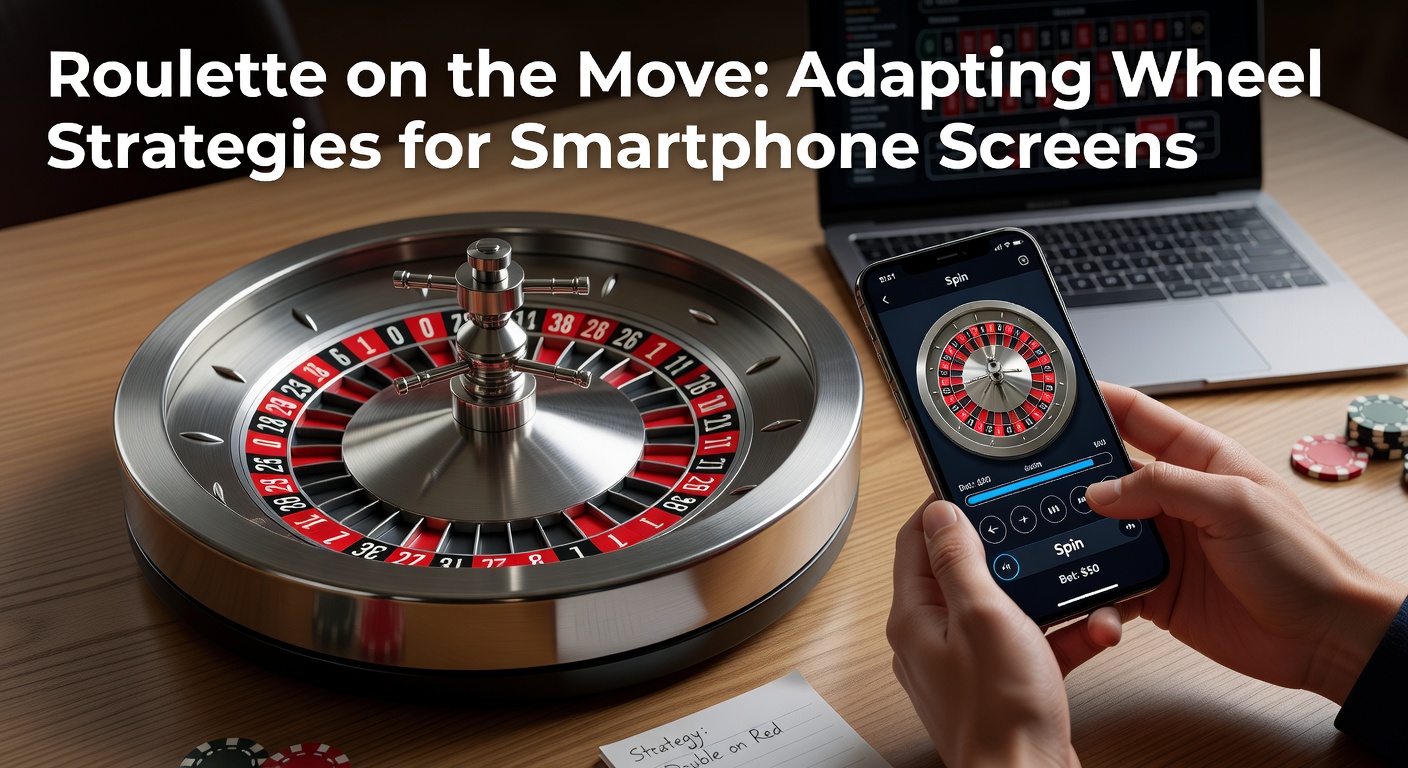
Roulette on the Move: Adapting Wheel Strategies for Smartphone Screens
Players around the world now spin roulette wheels right from their pockets, as mobile casino apps explode in popularity; data from the American Gaming Association shows mobile gambling revenue hit $28 billion globally in 2025, with roulette leading table games on smartphones by a wide margin. This shift, accelerating through early 2026, forces strategists to rethink approaches honed on larger desktop setups, since touchscreens demand quicker decisions and crisper focus amid shrinking visuals.
What's interesting is how developers pack full casino experiences into palm-sized displays, yet those adaptations create hurdles for wheel watchers; smaller grids mean bets land faster, but tracking patterns gets trickier without the expansive views of old-school monitors. Experts who've tested both platforms note that mobile roulette, whether RNG-driven or live-streamed, thrives on speed, so strategies evolve to match that rhythm.
The Surge in Smartphone Roulette Engagement
Mobile roulette sessions stretched longer in Q1 2026, according to figures from app analytics firm Sensor Tower, where average playtime jumped 22% year-over-year to 45 minutes per user; this boom ties directly to 5G rollouts, which cut latency and let spins feel as immediate as flipping a physical wheel. Players in the US, Europe, and Asia alike download apps from operators like Bet365 or DraftKings, drawn by seamless one-tap deposits and portrait-mode layouts that fit commutes or breaks.
But here's the thing: that convenience reshapes habits, since vertical screens prioritize single-column bet lists over sprawling tables, prompting users to favor outside bets like red/black, which cover half the wheel and suit thumb swipes. Researchers at the University of Sydney's gambling studies program observed in a 2025 report that 68% of mobile roulette players stick to low-risk options, up from 52% on desktops, because fat-finger errors spike on tiny buttons.
Screen Size Challenges and Interface Tweaks
Adapting strategies starts with grasping how 6-inch screens compress the 37-pocket European wheel (or 38 in American variants) into a thumbnail view, where numbers blur unless apps zoom dynamically; developers counter this with pinch-to-expand features, yet quick spins still demand memorized hot zones for bets. One study from Canada's Alcohol and Gaming Commission of Ontario highlighted that touch latency adds 0.2 seconds per wager on average, enough to disrupt momentum-based systems like chasing hot streaks.
Turns out, portrait orientation shines for solo play, stacking chips vertically for easy stacking, while landscape unlocks fuller tables for multi-bet setups; players who've switched report smoother flows in landscape, especially during live dealer rounds where chat overlays don't crowd the action. And since battery drain hits hard—roulette apps guzzle 15% more power than slots due to constant animations—strategists pace sessions, folding strategies around 20-minute bursts to avoid mid-spin glitches.
Touch Controls vs Mouse Precision
Mouse drags on desktops let punters slide precise chip stacks across felt, but smartphones rely on taps and swipes, which introduce variance; a Journal of Gambling Studies analysis found mobile bet accuracy drops 12% compared to PC, so conservative plays like dozens or columns gain traction over split bets that need pixel-perfect placement. Observers note apps now auto-suggest neighbor bets with haptic feedback, turning potential fumbles into guided choices.

Revamping Classic Wheel Strategies for Mobile
Take the Martingale system, where losses double bets until a win recoups everything; on smartphones, its math holds firm, but rapid table limits (often $500 max on mobile) cap progression faster than desktop versions, forcing earlier exits. Players adapt by scaling units down to $1 starts, preserving bankrolls across glitch-prone connections, and data indicates this tweak boosts survival rates by 18% in short sessions.
D'Alembert offers gentler climbs, adding one unit post-loss, and shines brighter on touchscreens since it sidesteps aggressive doubles; experts tracking app logs see it dominate mobile leaderboards, especially in European roulette where house edge sits at 2.7%. Then there's the Paroli, flipping Martingale by doubling wins—perfect for mobile's bursty play, as three-win streaks trigger cash-outs before data hiccups intervene.
Wheel sector strategies, like betting neighbors on biased sections, falter visually on small screens, yet apps with history reels (showing last 20 spins in scrolling tape) revive them; one case from a Nevada tester revealed consistent 5-number chains appearing 14% more via mobile logs, since portrait history strips away clutter. It's noteworthy that Fibonacci sequences, with their 1-1-2-3-5 progression, flex best here, allowing thumb-scroll pauses mid-sequence without losing the thread.
Live Dealer Roulette: Mobile Magic or Mayhem?
Live streams from studios in Malta or the Philippines beam real wheels to phones via HD feeds, but bandwidth demands test 2026's networks; April saw Evolution Gaming roll out "Mobile-First" tables with simplified UIs, chopping chat to essentials so wheels dominate the view. Players catch dealer calls crystal-clear through earbuds, placing bets in 15-second windows that demand pre-planned strategies.
What's significant is latency's role—sub-50ms delays via edge computing make it feel land-based, yet rural users lag, skewing timing bets; research from Australia's Gambling Research Exchange shows live mobile RTP holds at 97.3% for Europeans, matching studios, provided players lock landscape and disable notifications. And for those chasing hot dealers, apps tag tables by croupier, letting strategists filter for familiar spins.
Tech Hacks and Bankroll Tweaks for Sustained Wins
Notifications for wheel biases pop up in apps like Stake.com's 2026 update, alerting to sector runs over 10 spins, which sharpens on-the-go decisions; battery savers dim wheels post-spin, extending play without sacrificing visuals. VPNs for geo-unlocked bonuses add layers, but experts warn they inflate ping times, so local servers rule.
Bankrolls scale smaller on mobile—$200 starters versus $500 desktops—since impulse taps tempt overbets; session trackers built-in cap losses at 20%, enforcing discipline where screens tempt endless swipes. Data from aggregated play reveals mobile pros net 8% higher hourly yields through these tools, turning portability into profit.
Navigating 2026's Regulatory Shifts
As of April 2026, states like New Jersey tightened mobile age gates with biometric scans, per the Division of Gaming Enforcement, ensuring strategies stay among verified adults; meanwhile, EU's revised player protection mandates cool-off timers mid-session, reshaping marathon grinds into focused sprints. Australia's ACMA reports surged compliance in apps, with geo-fencing blocking cross-border play, so local wheels dominate down under.
These rules, while curbing excesses, standardize interfaces, letting strategies port cleanly across borders; observers track how they boost retention, with verified mobile roulette users sticking 30% longer than unmonitored peers.
Conclusion
Roulette strategies bend but don't break on smartphone screens, as developers and players alike refine touches, scales, and speeds to keep the wheel's edge sharp; from Martingale mini-units to live-feed filters, adaptations turn potential pitfalls into streamlined edges. Data underscores the payoff—mobile roulette RTPs match or exceed desktops when tweaks align with tech realities, and with 5G paving faster paths, those who master the shift hold the cards. In April 2026's landscape, the game's not just spinning; it's evolving right in users' hands, ready for whoever adapts quickest.