Payment Pathways and Loyalty Ladders: How Mobile Users Maximize Rewards Through Strategic Funding Choices
Written by Dana Müller · May 18, 2026
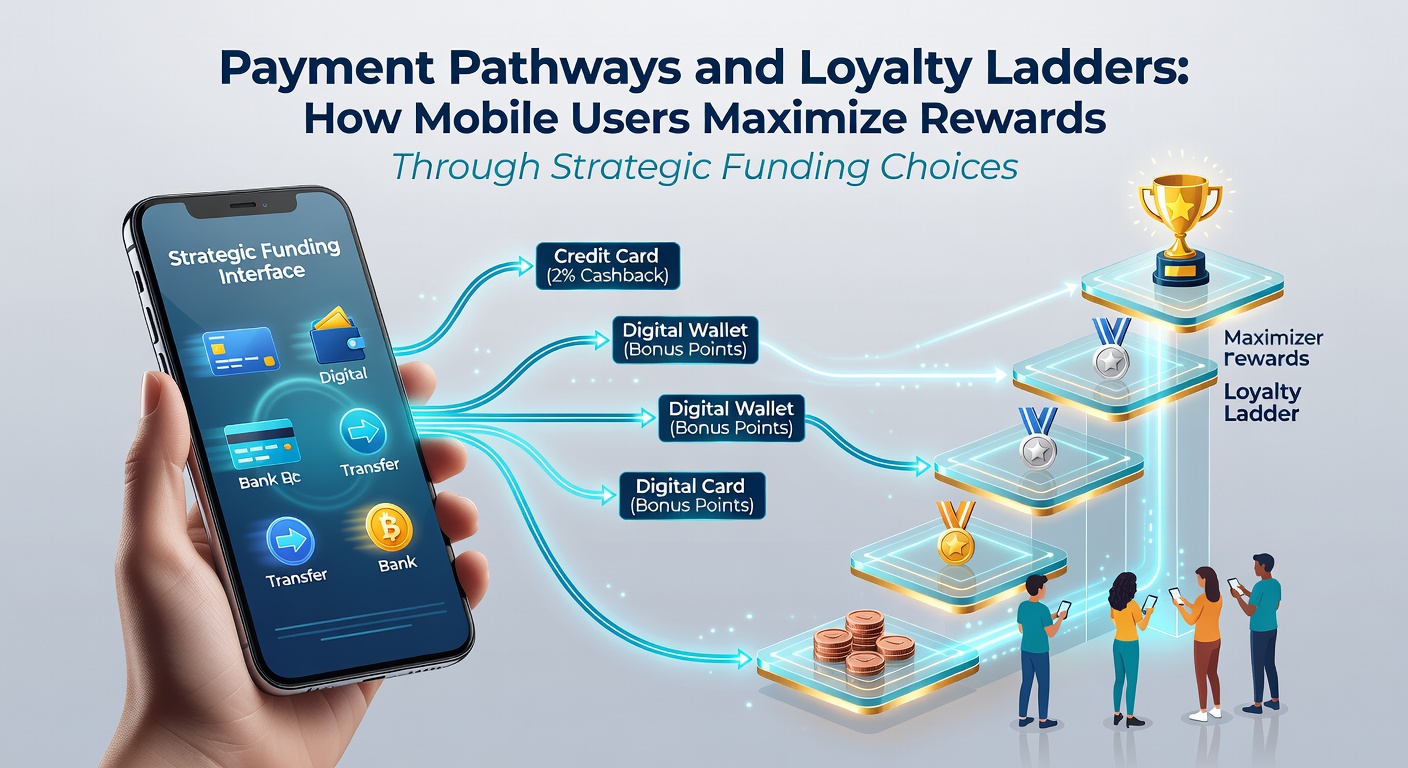
Payment Pathways and Loyalty Ladders: How Mobile Users Maximize Rewards Through Strategic Funding Choices
Mobile users navigate payment pathways in loyalty programs by selecting funding methods that align with specific reward structures, and observers note these choices often determine how quickly individuals advance through tiered systems. Data from industry reports shows that mobile platforms integrate multiple deposit options including bank transfers, digital wallets, and prepaid cards, each carrying distinct point multipliers and cashback rates. Researchers have tracked these patterns across various applications where users accumulate benefits based on transaction volume and method type rather than simple deposit amounts alone. Strategic funding decisions begin with understanding how each pathway feeds into the loyalty ladder. Users who route funds through e-wallets frequently receive accelerated tier progression because these methods link directly to bonus point pools, while credit card deposits sometimes trigger separate reward layers from issuing banks. In May 2026, platform analytics indicate a measurable uptick in users combining multiple pathways within a single session to optimize both immediate returns and long-term status elevation. Those who study these systems find that timing matters as much as method selection, with certain windows offering enhanced multipliers during promotional periods.Understanding Core Payment Pathways
Payment pathways function as the entry points that determine reward velocity in mobile loyalty environments. Bank-linked transfers provide steady accumulation without additional fees in many regions, yet they rarely unlock the highest point bonuses. Digital wallets such as those tied to established providers deliver faster processing and often pair with loyalty partners that award extra credits on qualifying transactions. Prepaid and voucher systems serve users who prefer controlled spending limits while still contributing toward ladder advancement when the platform recognizes the funding source.
Observers note that transaction speed influences perceived value, since quicker confirmations allow users to engage with reward-earning activities sooner. Figures from recent market analyses reveal that mobile sessions completed via instant pathways show higher completion rates for loyalty challenges compared to those relying on standard bank processing. Users frequently map out their preferred routes in advance, creating personal sequences that balance speed, cost, and reward density.
Climbing the Loyalty Ladder Through Method Selection
Loyalty ladders operate on progressive thresholds where each rung unlocks new benefit layers, and funding choices directly affect how many rungs a user ascends per deposit cycle. Platforms structure these systems so that certain payment types contribute more heavily toward tier qualification points. For instance, wallet-based deposits may count at 1.5 times the base rate toward monthly requirements, whereas direct bank transfers register at the standard rate. This differentiation encourages users to rotate methods based on their current position on the ladder.
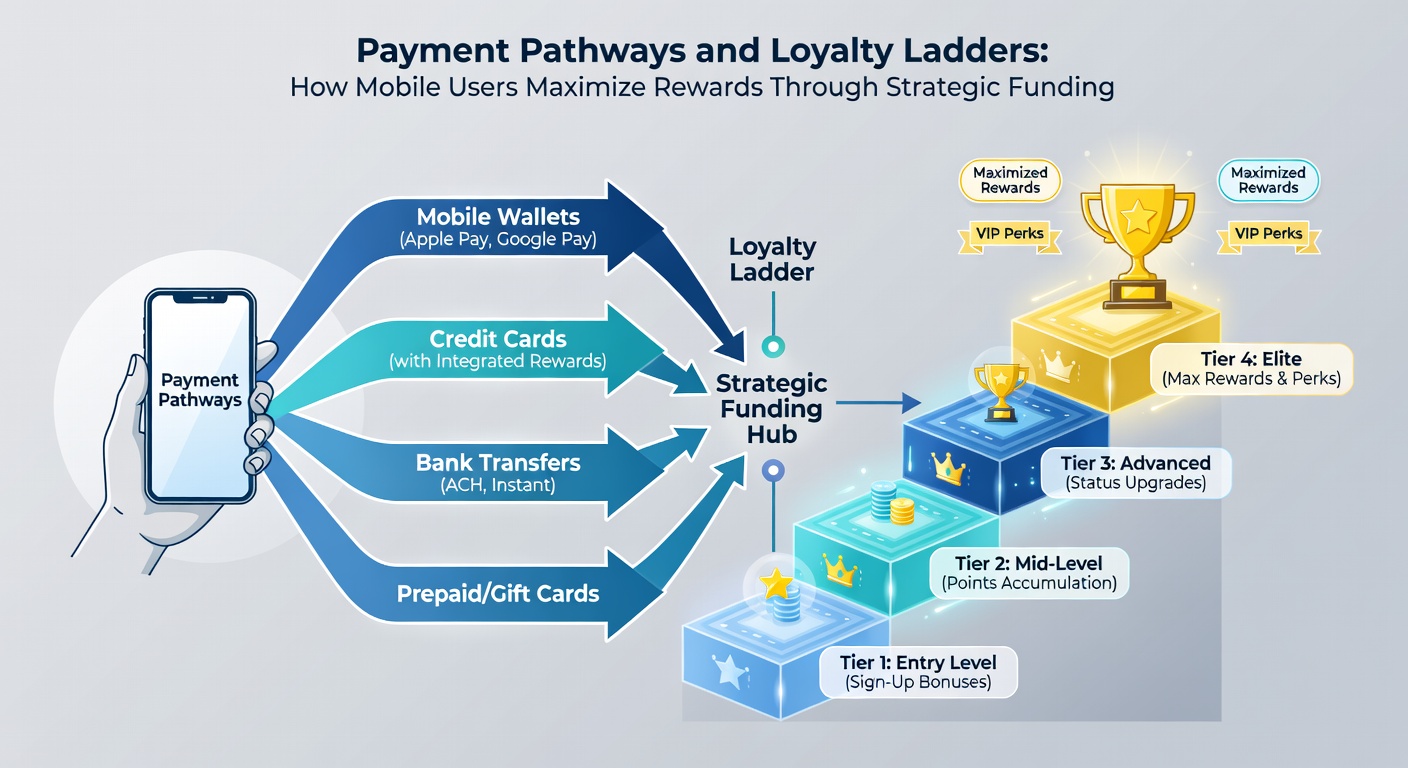
Case examples show mobile users reaching mid-tier status within weeks by alternating between high-multiplier pathways for qualification pushes and lower-cost options for maintenance. Data indicates that individuals who maintain consistent activity across varied funding sources often sustain higher lifetime reward totals than those who rely on a single method. The structure rewards adaptability rather than volume alone, creating opportunities for strategic planning that aligns deposit timing with ladder reset cycles.
Regional Patterns and Platform Adaptations in 2026
Regional differences shape how mobile users approach these systems. In markets with strong digital wallet adoption, platforms adjust reward tables to favor those pathways, while areas with heavy credit card usage see issuers offering co-branded bonuses that stack with platform incentives. According to findings published by the American Gaming Association, cross-platform integration has increased the number of recognized funding routes available to users, expanding options for ladder advancement. Similar observations appear in reports covering Canadian and Australian markets, where local regulations influence which methods receive favorable treatment.
Platform operators respond to these patterns by updating their interfaces to highlight optimal pathways for users at different ladder stages. Mobile dashboards now display projected point gains for each available method before confirmation, allowing real-time comparison. This transparency supports more deliberate choices without requiring external calculation tools.
Maximizing Combined Rewards Through Layered Strategies
Users achieve greater returns when they layer platform rewards with external benefits from payment providers. Some digital wallets award their own points on deposits that also count toward casino or app loyalty ladders, creating dual accumulation. Research from academic studies on consumer behavior in digital services shows that participants who track both streams maintain clearer progress metrics and adjust tactics accordingly. The reality is that these overlaps reward users who maintain awareness of multiple point systems rather than focusing on one ladder in isolation.
Seasonal adjustments appear in May 2026 data, with several platforms introducing temporary multipliers for underutilized payment routes to balance overall transaction distribution. Users who monitor these shifts and redirect funding accordingly often complete ladder milestones ahead of standard timelines. This approach relies on factual tracking of current rates rather than assumptions about fixed structures.
Conclusion
Payment pathways and loyalty ladders intersect through deliberate user choices that prioritize method compatibility with tier requirements. Mobile platforms continue to refine these systems based on observed transaction data, offering clearer visibility into how different funding options influence reward outcomes. Those who examine the available routes and align them with personal activity patterns position themselves to progress through successive tiers while capturing available multipliers. The structure rewards consistent evaluation of current options as platforms update their offerings throughout the year.