Mapping the Links Between Multiplayer Table Dynamics and Digital Currency Thresholds in Advancing Through Status Levels on Wireless Interfaces
Written by David Bauer · Aug 24, 2026
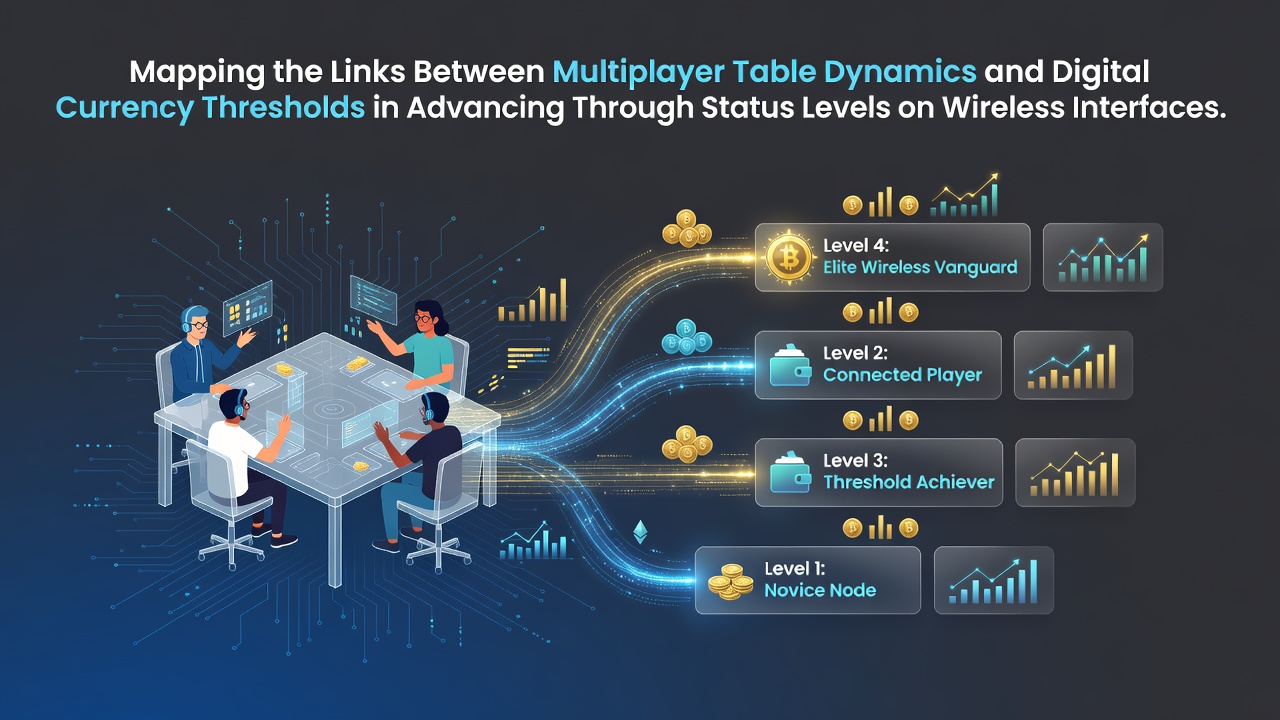
Mapping the Links Between Multiplayer Table Dynamics and Digital Currency Thresholds in Advancing Through Status Levels on Wireless Interfaces
Multiplayer table environments on mobile platforms connect player interactions directly to payment system requirements, while digital currency thresholds determine how quickly participants move through loyalty structures. These connections shape access patterns in synchronized sessions where real-time decisions influence both table flow and account progression. Data from industry monitoring shows that threshold levels often align with minimum deposit amounts required to unlock higher status tiers during active play periods.
Multiplayer Table Dynamics on Mobile Networks
Table dynamics in multiplayer formats involve coordinated betting sequences, response times, and group decision points that affect individual outcomes across connected devices. Wireless interfaces track these elements through session logs that record participation frequency and contribution size. Observers note that sessions with higher player counts tend to require faster transaction confirmations when digital wallets handle in-game adjustments.
Research indicates that table speed and interaction density correlate with the currency thresholds needed to maintain eligibility for status advancement. Systems register cumulative activity across multiple hands or rounds, then compare those totals against predefined wallet deposit markers. When thresholds are met within a set window, accounts receive tier updates that adjust available table features and reward multipliers.
Digital Currency Thresholds and Status Progression
Digital currency thresholds function as entry points that separate basic participation from elevated status benefits in mobile casino networks. These markers specify exact amounts and frequencies for deposits or transfers that trigger tier reviews. According to reports from the Nevada Gaming Control Board, operators link these thresholds to loyalty algorithms that monitor both volume and consistency of funding activity.
Status levels advance when accounts satisfy combined criteria that include table time, wager totals, and currency movement through approved channels. Thresholds frequently reset on monthly cycles, requiring renewed activity to sustain or climb tiers. Figures from 2026 platform analytics reveal that August data showed increased alignment between crypto transfer minimums and tier unlock points during peak evening hours.
Integration Across Wireless Interfaces
Wireless interfaces serve as the delivery layer where table dynamics and currency thresholds intersect through unified account dashboards. Mobile applications display real-time status meters that update as digital transfers clear and table sessions accumulate qualifying activity. Those who study these platforms find that synchronization between game servers and payment processors determines whether a threshold breach registers before a status review period closes.

Platform architectures route multiplayer data alongside wallet transaction records to a central progression engine. This engine evaluates whether current table dynamics meet the activity benchmarks tied to upcoming currency thresholds. When both conditions align, the system issues tier upgrades that expand table access and adjust reward rates for subsequent sessions.
Observed Patterns in Threshold and Table Linkages
Patterns emerge when analysts examine how specific table types influence the speed of status advancement relative to currency requirements. Blackjack and poker tables, for instance, generate distinct activity signatures that interact differently with deposit thresholds. A study released by the University of Nevada, Reno gaming research group documented variations in threshold clearance rates across game categories during synchronized mobile play.
Operators adjust threshold values seasonally to balance player progression rates with platform economics. In periods of high mobile traffic, these adjustments often raise minimum transfer amounts needed for tier movement while simultaneously increasing table reward multipliers. The result appears in session data as tighter coupling between sustained multiplayer engagement and timely digital currency activity.
Conclusion
The mapping of multiplayer table dynamics to digital currency thresholds creates measurable pathways for status advancement on wireless interfaces. Platform records demonstrate that successful tier progression depends on coordinated satisfaction of both activity and funding markers within defined timeframes. Continued monitoring of these linkages provides insight into how mobile gaming systems structure player advancement across evolving network conditions.