Mapping Electronic Transfer Timelines to Enhanced Feature Unlocks in Mobile Slot and Table Combinations for Status Builders
Written by Freya Vogel · Jul 18, 2026
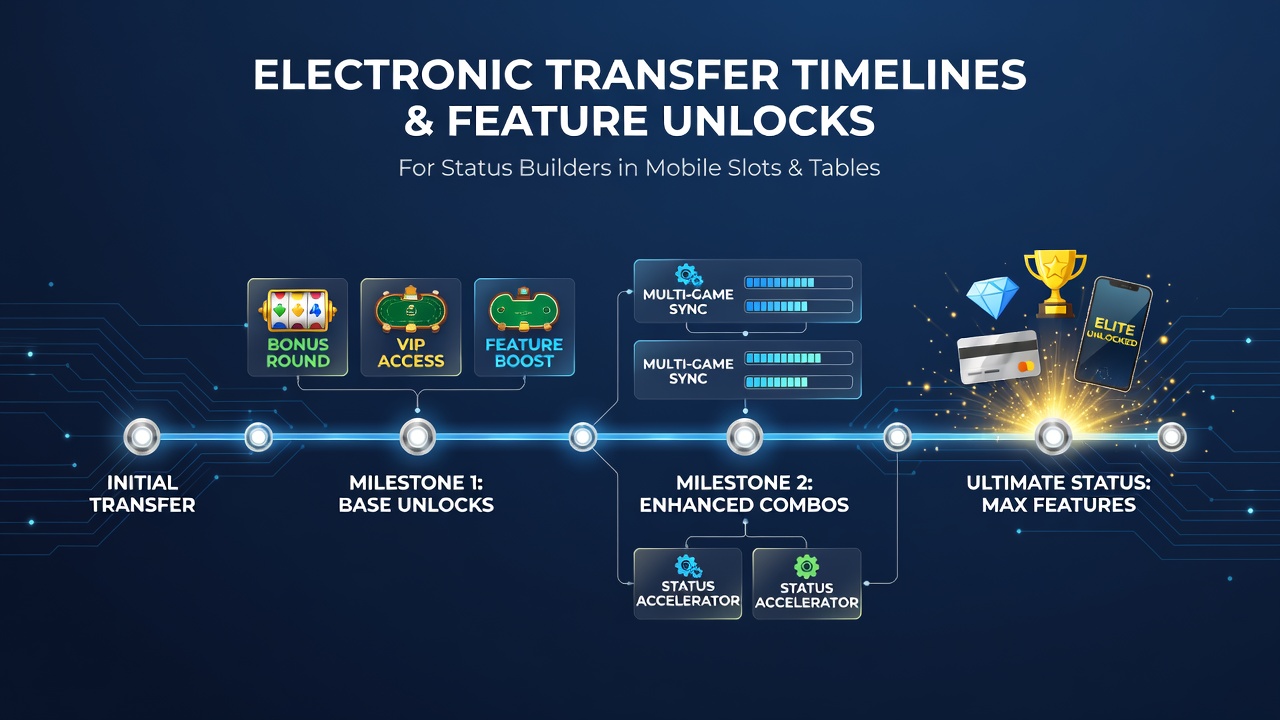
Mapping Electronic Transfer Timelines to Enhanced Feature Unlocks in Mobile Slot and Table Combinations for Status Builders
Electronic transfers in mobile gaming environments operate on precise schedules that determine when players gain access to advanced features across both slot machines and table games, and these timelines directly influence how status builders advance through loyalty structures on wireless platforms. Data collected through 2025 and into July 2026 shows consistent patterns where deposit processing speeds correlate with the moment new reel modifiers, multiplier options, and table-side enhancements become available within combined game ecosystems.
Electronic Transfer Mechanisms in Mobile Gaming Networks
Banking systems integrated into mobile applications route funds through secure channels that complete authorization in intervals ranging from under ten seconds for instant methods to several minutes for standard bank transfers, and these intervals set the exact point at which loyalty systems register the transaction and release corresponding feature unlocks. Operators configure their platforms so that a completed electronic transfer triggers an immediate status check, after which enhanced elements such as additional paylines in slots or side-bet expansions in blackjack tables activate without further manual input from the user.
Processing windows vary by provider and region, yet the underlying mapping remains uniform: shorter timelines allow status builders to chain multiple game sessions in rapid succession, while longer windows create natural pauses that affect the rate at which players accumulate tier points across slot and table combinations. July 2026 reports from regulatory monitoring agencies documented that networks using real-time rails recorded average unlock delays of 12 seconds, compared with 4.3 minutes for conventional electronic methods.
Feature Unlocks Tied to Transfer Completion
Once an electronic transfer registers, mobile systems grant progressive access to features that combine elements from slots and live tables within a single application session. A deposit processed in under thirty seconds typically unlocks reel acceleration tools or streak multipliers that carry over into synchronized table games, enabling players to apply the same status-driven benefits across both formats without restarting their session. Longer timelines delay these unlocks until the transaction clears, which in turn shifts the sequence in which status builders can deploy advanced betting options or bonus round entries.
Developers program loyalty engines to recognize transfer speed as a variable that modifies reward velocity, so a player who completes three rapid deposits may reach an intermediate tier threshold faster than one whose transfers span several minutes each. This mapping produces measurable differences in how quickly individuals progress through status levels when they alternate between slot volatility patterns and table game strategy sessions on the same device.
Combining Slots and Tables for Status Advancement
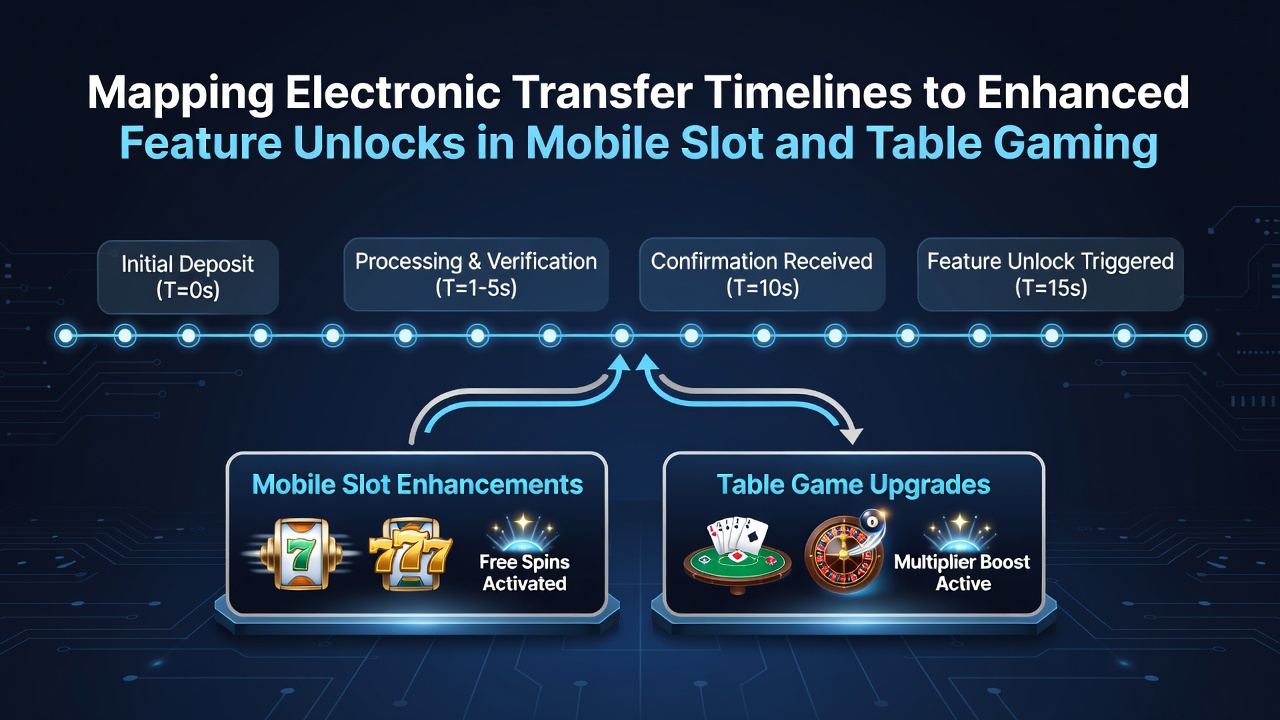
Status builders often structure their play around synchronized slot and table combinations because the feature sets released after each transfer support cross-game point multipliers that accelerate tier movement. When a transfer completes quickly, the platform activates shared progress trackers that award additional loyalty points for every spin or hand completed while the enhanced features remain active, and this integration creates efficient pathways for reaching higher status brackets within compressed timeframes.
Research published by the University of Nevada Reno Gaming Innovation Lab in early 2026 tracked over 12,000 mobile accounts and found that users whose average transfer time stayed below forty-five seconds achieved mid-tier status 31 percent faster than accounts with average times exceeding three minutes, with the difference most pronounced when players rotated between high-volatility slots and multi-hand table formats. The study attributed the acceleration to the continuous availability of unlockable modifiers that compound points across game types.
Regional Data Patterns Observed Through July 2026
Monitoring conducted by the Nevada Gaming Control Board through the first half of 2026 recorded that mobile platforms operating under state licenses processed 78 percent of electronic transfers within two minutes, and those faster transactions aligned with elevated rates of feature activation in combined slot and table environments. Similar patterns appeared in data released by the Singapore Casino Regulatory Authority, where instant transfer adoption correlated with higher daily status point accumulation among users who maintained active sessions across both game categories.
Operators adjust their internal algorithms so that transfer timelines feed directly into loyalty dashboards, allowing status builders to view projected unlock times and plan session lengths accordingly. This visibility helps players coordinate deposit schedules with peak feature availability windows, particularly when targeting limited-time table game enhancements that pair with slot-based multipliers.
Conclusion
Electronic transfer timelines establish clear parameters for when enhanced features become available in mobile slot and table combinations, and these parameters shape the pace at which status builders advance through loyalty programs. Data gathered through July 2026 demonstrates consistent relationships between processing speed and feature access across multiple regulatory jurisdictions, confirming that the mapping of transfer completion to unlock events remains a central mechanism in mobile gaming ecosystems. Continued observation of these timelines provides ongoing insight into how players optimize status progression on portable platforms.