Intersections Between Verification Timelines and Escalating Reel Access Grants Within App-Based Tournament Circuits
Written by Freya Vogel · Jun 29, 2026
Intersections Between Verification Timelines and Escalating Reel Access Grants Within App-Based Tournament Circuits
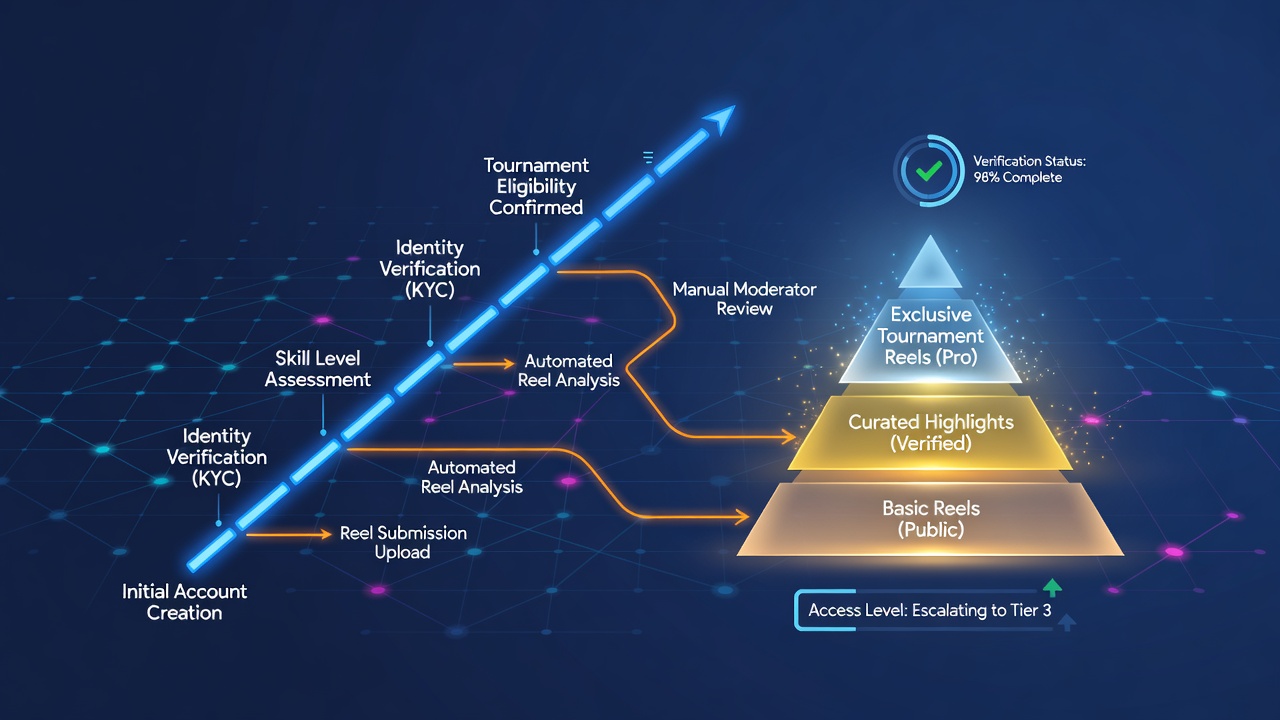
App-based tournament circuits have expanded rapidly since the mid-2020s, creating structured environments where participants compete across synchronized reel-based events on handheld devices. These circuits rely on layered access systems that grant escalating reel privileges as users complete verification steps and accumulate performance metrics. Verification timelines, which encompass identity confirmation processes required by platform operators, directly influence when and how participants receive upgraded reel access grants that unlock additional spins, multi-reel configurations, and higher-stakes tournament brackets. Platform operators typically initiate verification upon account creation or initial deposit, pulling data from government-issued identification databases and cross-referencing against regulatory requirements. In many jurisdictions, these processes must align with standards set by bodies such as the Nevada Gaming Control Board, which oversees digital gaming compliance across state lines. Delays in verification often stem from document mismatches or peak submission volumes, creating bottlenecks that postpone reel access escalations until approvals clear. Data from industry tracking services shows average verification completion times ranging from 24 hours for standard cases to several days when supplemental information gets requested.Mechanics of Reel Access Grants in Tournament Structures
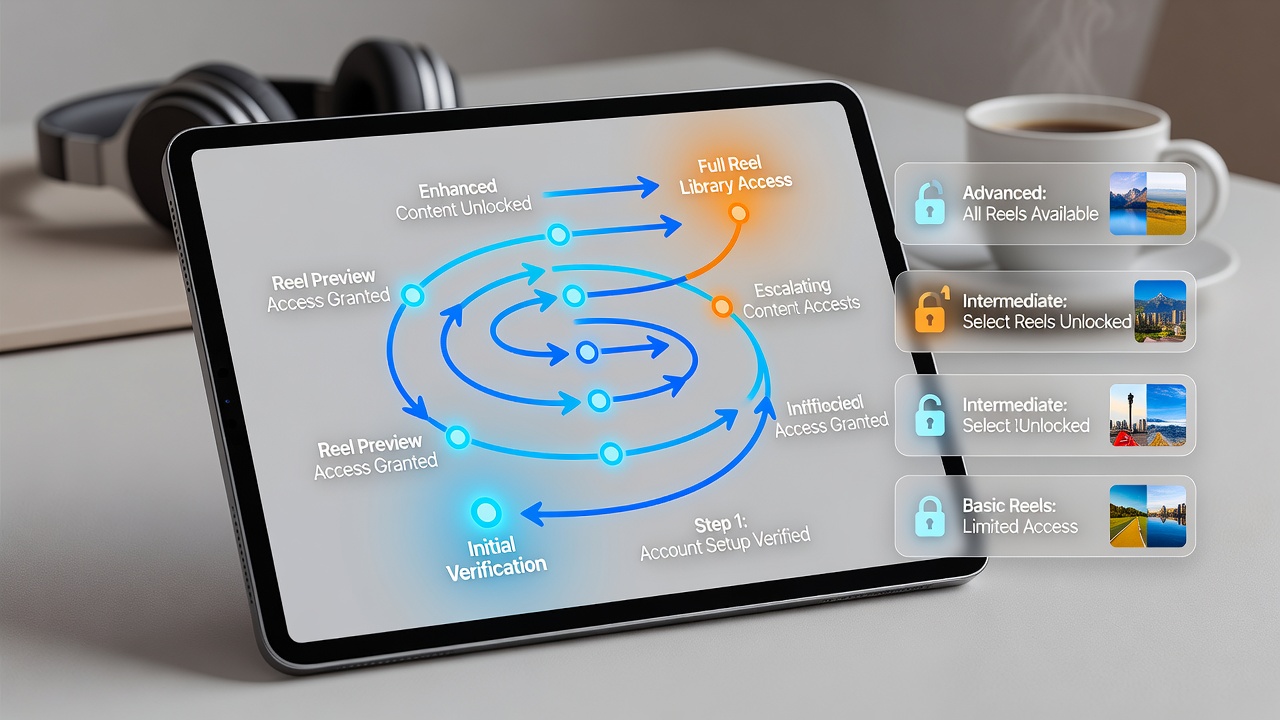
Reel access grants operate through progressive tiers tied to verified status and circuit participation history. Initial grants provide basic single-reel functionality, while subsequent levels introduce multi-reel arrays, bonus trigger enhancements, and synchronized multiplayer modes. These grants escalate based on cumulative verified activity rather than standalone performance, meaning unverified accounts remain capped at entry-level reel configurations even after meeting play thresholds. Tournament circuits coordinate these grants through centralized servers that update access permissions in real time once verification flags switch to approved. Observers note that circuit organizers integrate wallet-linked funding methods to streamline grant progression, allowing verified users to bypass intermediate approval stages for certain reel upgrades. This integration appears in systems where digital wallet confirmations feed directly into access algorithms, reducing friction between verification completion and reel escalation.Key Intersections Observed Across Circuits
Verification timelines intersect with reel access grants at multiple points within app-based circuits. A primary intersection occurs during initial onboarding, where pending verifications block progression to mid-tier reel grants despite users meeting minimum tournament entry criteria. Another intersection emerges in ongoing circuits, as re-verification triggers for high-value grants coincide with scheduled reel access updates, sometimes causing temporary freezes in participant brackets. Research from academic studies on digital gaming infrastructure indicates that these intersections intensify during high-volume periods, such as seasonal circuit expansions. In June 2026, several major platforms adjusted their verification queues to accommodate increased tournament registrations, resulting in faster grant escalations for users who submitted documents early in the cycle. Figures from regulatory filings reveal that circuits incorporating automated verification tools achieved 40 percent shorter average timelines compared to manual review systems. Take one circuit operator who aligned verification checkpoints with reel grant milestones, allowing partial access during processing windows. This approach reduced user drop-off rates in lower brackets while maintaining compliance with regional gaming statutes. Participants in such systems often discover that linking verified payment pathways accelerates the entire sequence, as transaction confirmations reinforce identity data already under review.