How Electronic Payment Speeds Shape Progressive Betting Sequences in Live Mobile Blackjack Sessions Across Loyalty Tiers
Written by Freya Vogel · Jun 15, 2026
How Electronic Payment Speeds Shape Progressive Betting Sequences in Live Mobile Blackjack Sessions Across Loyalty Tiers
Electronic payment processing times have become a key factor in how players manage progressive betting sequences during live mobile blackjack, with data from industry reports showing clear differences based on transaction speed and loyalty status as of June 2026. Faster funding methods allow sequences such as doubling after losses or scaling bets on winning streaks to continue without interruption, while slower options create pauses that alter the intended progression. Observers note that these patterns appear consistently across various mobile platforms where live dealer tables operate in real time.
Payment Speed and Sequence Continuity
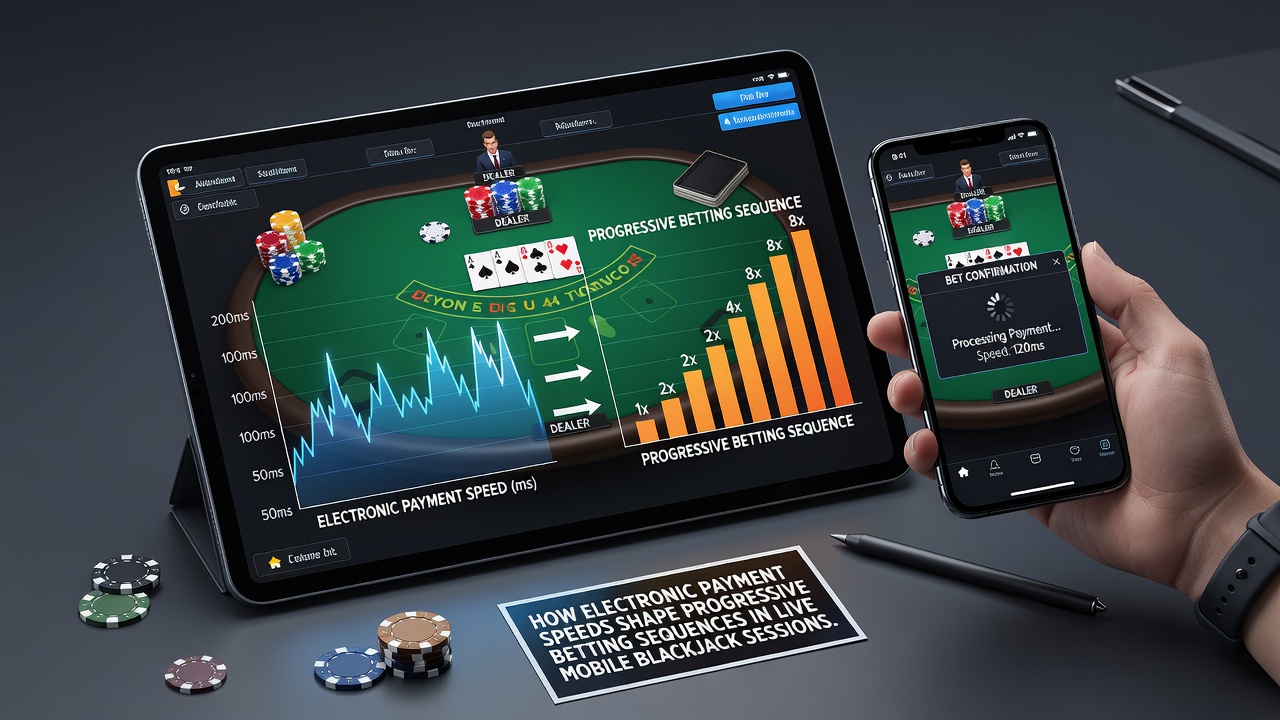
Transaction completion rates directly influence whether a player can maintain a planned betting progression through multiple hands, since live blackjack sessions require quick decisions between rounds. When electronic wallets or instant bank transfers finish in under ten seconds, users complete their next wager before the dealer reshuffles or advances the shoe. Research indicates that delays beyond thirty seconds often force adjustments to the sequence, particularly in games using continuous shuffle machines that keep pace with rapid play. Those who study mobile gaming data have observed that payment speed thresholds correlate with how frequently players stick to their original progression plans rather than deviating mid-session.
Technical Factors in Mobile Environments
Network latency, app integration quality, and backend processor load all contribute to how quickly funds appear in a live blackjack balance. In June 2026 several platforms reported upgrades to their payment gateways that reduced average processing from twenty-two seconds to eight seconds for verified accounts. These changes affect progressive sequences because players using methods like instant e-wallets experience fewer interruptions when attempting to increase stakes after a loss. Data shows that slower card-based deposits create gaps where table minimums or maximums shift, forcing users to recalculate their next bet size instead of executing the planned amount automatically.
Differences Across Loyalty Tiers
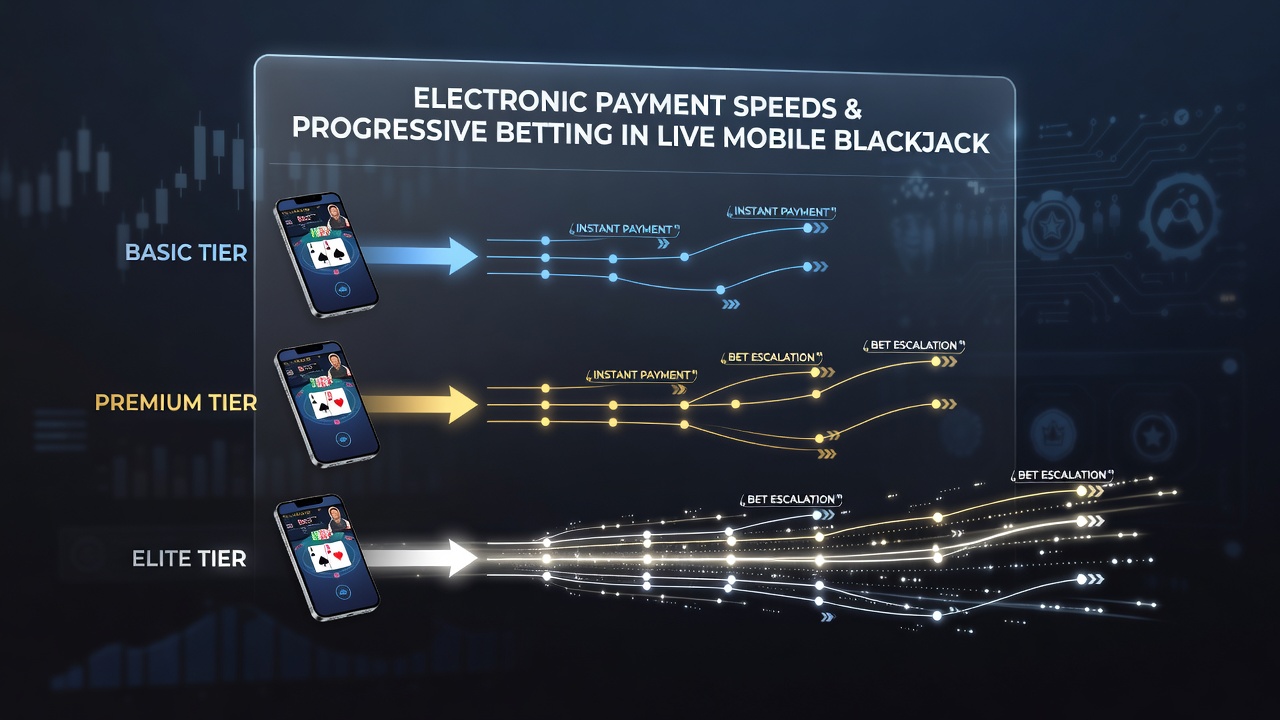
Loyalty programs sort players into tiers that receive varying payment processing priorities, which in turn shapes how progressive betting unfolds on mobile devices. Entry-level users typically encounter standard verification steps that extend transaction times, whereas higher tiers access expedited routes with dedicated servers. Studies tracking session logs reveal that players in top tiers complete funding cycles fast enough to sustain long Martingale-style progressions without the dealer completing extra rounds in between. Mid-tier accounts sit between these extremes, with processing speeds that support moderate progressions but still introduce occasional pauses during peak hours.
One study revealed that top-tier accounts processed deposits in an average of five seconds during live blackjack, allowing seamless bet increases after each hand. Lower tiers averaged eighteen seconds, which researchers linked to higher rates of sequence abandonment when tables moved quickly. These patterns hold across multiple operators, according to aggregated reports from regional gaming authorities in North America and Asia-Pacific markets.
Observed Patterns in Session Data
Session analytics collected through June 2026 show that payment speed influences not only whether sequences continue but also the total number of hands played before a progression resets. Faster payments correlate with longer unbroken runs at the table, while slower methods lead to more frequent pauses that reset mental tracking of the progression. Players using integrated digital wallets maintain higher consistency in bet sizing across consecutive hands compared with those relying on traditional bank transfers. Figures from industry monitoring groups indicate that this consistency appears most pronounced in sessions lasting over forty-five minutes.
What's interesting is how these timing differences interact with table rules such as early surrender or double-after-split options. When funding arrives quickly, users can respond to favorable rule sets by extending their progression further than originally planned. Slower payments limit that flexibility because the window for advantageous rule exploitation closes before the next deposit clears.
Regional Regulatory Context
Reports from the Nevada Gaming Control Board and similar bodies in other jurisdictions document how payment processing standards have evolved alongside mobile live dealer growth. These records highlight that tiered access to faster rails remains tied to account verification levels rather than arbitrary operator policies. Academic analyses from institutions studying digital gambling behavior have begun incorporating payment latency as a variable when modeling player decision trees in blackjack progressions.
Conclusion
Electronic payment speeds continue to interact with loyalty tier structures in ways that determine how effectively progressive betting sequences operate during live mobile blackjack. Faster processing supports uninterrupted progression across more hands, while tier-based differences create measurable gaps in execution consistency. Data collected through mid-2026 illustrates these connections without implying future outcomes, as platforms and processors keep refining their systems in response to observed usage patterns.