How Digital Wallet Syncing Influences Access Patterns to Exclusive Live Table Variants Across Mobile Loyalty Frameworks
Written by David Bauer · Jun 27, 2026
How Digital Wallet Syncing Influences Access Patterns to Exclusive Live Table Variants Across Mobile Loyalty Frameworks
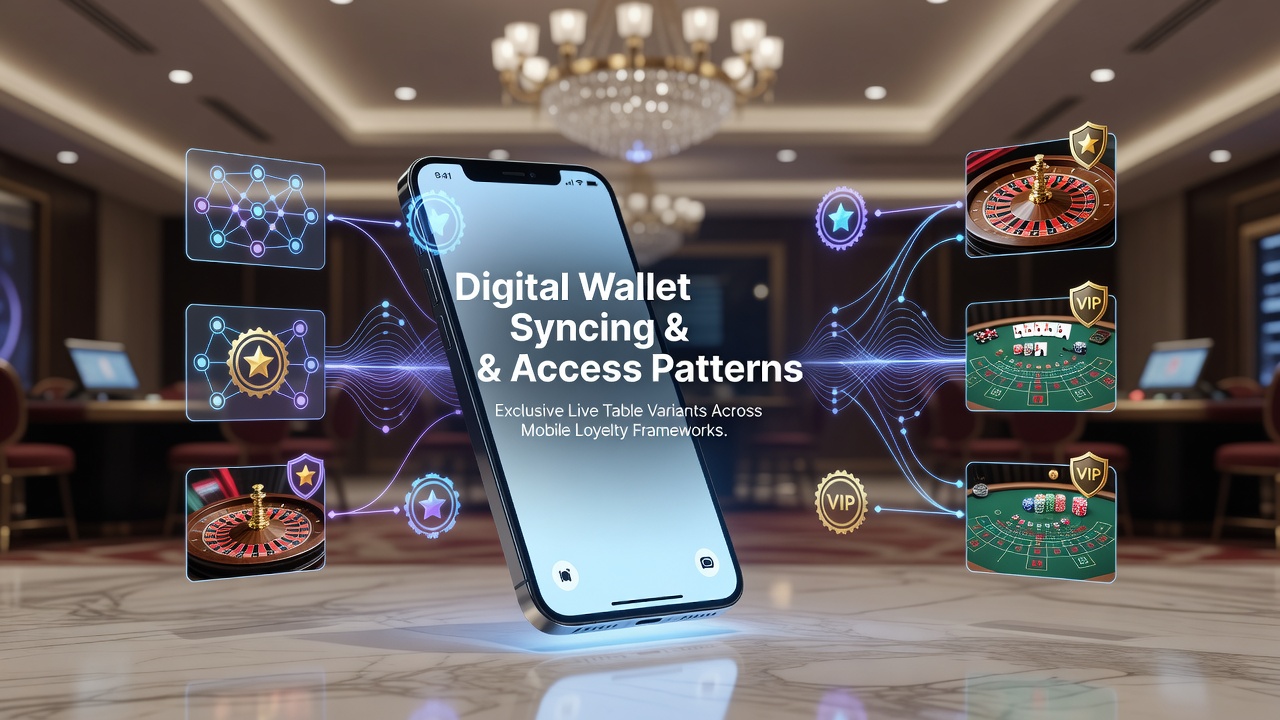
Digital wallet syncing connects payment methods directly to mobile loyalty accounts, which in turn determines how users reach exclusive live table variants in casino environments, and this process creates measurable shifts in access timing along with session frequency across different reward tiers. Platforms record these connections through API linkages that update user profiles in real time, allowing loyalty systems to adjust availability of private blackjack rooms or high-limit baccarat tables based on synced transaction history and tier status. Observers note that seamless wallet integration reduces friction during deposits, which leads to quicker progression through loyalty ladders when players fund accounts via synchronized mobile payment services.
Core Components of Wallet and Loyalty Linkage
Wallet providers establish encrypted channels with casino backend systems, and these channels transmit funding data alongside loyalty identifiers to central servers that manage table access permissions. Loyalty frameworks then evaluate criteria such as deposit volume, play duration, and game selection before granting entry to restricted live dealer environments, while synchronized wallets accelerate this evaluation by supplying verified balance information without manual verification steps. Data indicates that users who maintain active syncs experience fewer interruptions when attempting to join invite-only variants, since the system already holds current account details from the linked payment source.
Multiple casino operators have adopted standardized protocols for this syncing process, and these protocols align with regional payment regulations that require transaction logging for compliance purposes. In June 2026 several major platforms expanded their API support to include additional wallet services popular in Asia-Pacific markets, resulting in broader compatibility that further streamlined access for international users seeking region-specific live table options.
Observed Shifts in User Access Behaviors
Access patterns change noticeably once wallet syncing becomes active, because players can move between funding sources and loyalty rewards without leaving the mobile interface. Research from the National Center for Responsible Gaming shows that synced accounts correlate with higher rates of table variant exploration within the first thirty days of linkage, as users test new live options unlocked through accumulated points. Those patterns extend to session length as well, with synchronized users tending to maintain longer continuous play periods at exclusive tables compared to non-synced accounts that face repeated authentication hurdles.
Geographic differences appear in these behaviors too, since regulatory environments in Canada and Australia impose varying requirements on digital payment verification that affect how quickly loyalty tiers advance. Platforms operating under these frameworks adjust access windows accordingly, which means users in jurisdictions with streamlined wallet rules often reach premium live tables earlier in their loyalty progression.
Technical Infrastructure Supporting Real-Time Adjustments
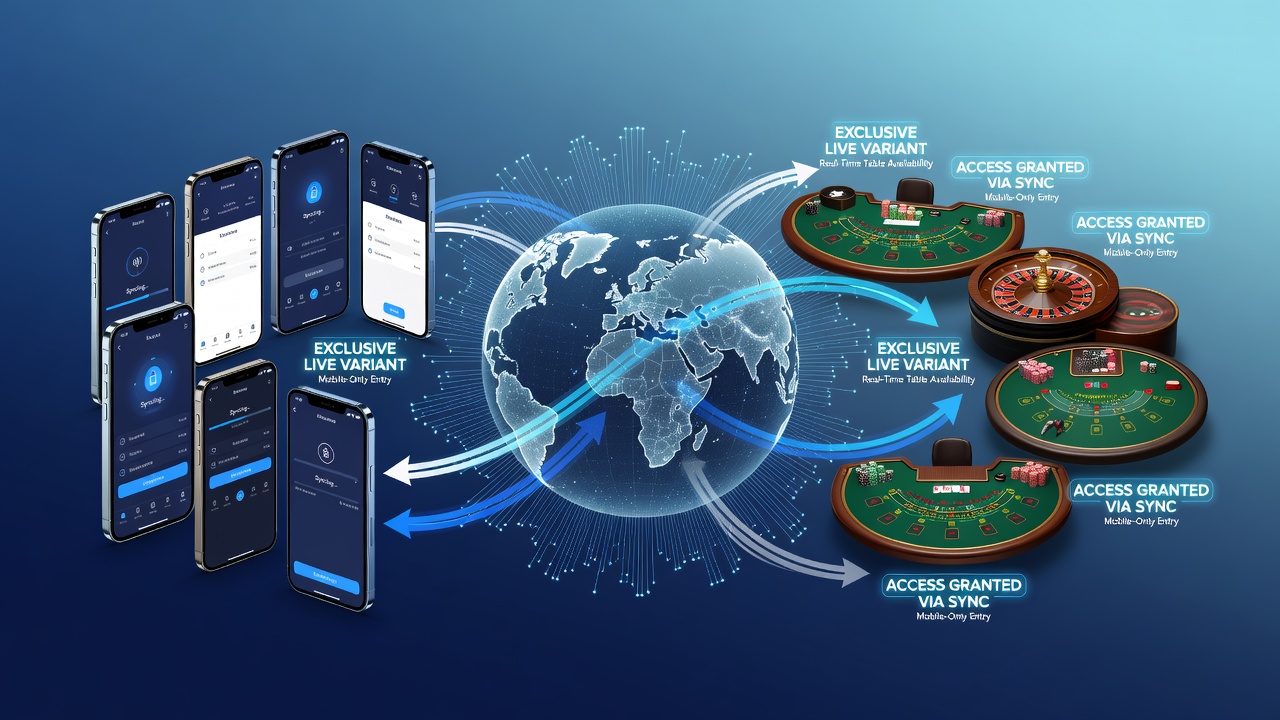
Backend databases track every synced transaction and pair it with loyalty metrics, which enables dynamic updates to table availability lists displayed on user devices. When a deposit clears through the wallet, the loyalty engine recalculates eligibility scores and pushes revised access permissions back to the mobile application within seconds. This continuous loop relies on secure token exchanges that prevent unauthorized elevation of privileges while still allowing legitimate users to enter higher-tier live variants as soon as requirements are met.
Additional layers of monitoring capture anomalies in syncing frequency or transaction size, and these safeguards help maintain system integrity across large user bases. Operators report that such monitoring also assists in identifying patterns where certain wallet types lead to concentrated activity around specific live table formats, providing operational data that informs future framework adjustments.
Regional Variations and Platform Adaptations
Platforms in different markets adapt their syncing requirements to local payment landscapes, which produces distinct access rhythms for exclusive tables. Australian operators, for instance, integrate with services that emphasize instant confirmation, and this approach shortens the interval between wallet activity and live table entry for loyalty members. Canadian frameworks place greater emphasis on verified identity layers during initial sync, yet once established these connections support rapid progression to private game rooms without repeated checks.
Studies conducted through the Victorian Responsible Gambling Foundation have examined how these regional adaptations influence overall engagement metrics, revealing that synchronized users demonstrate steadier participation across multiple live table types rather than concentrating on single variants. Such findings help operators refine loyalty parameters to balance access speed with responsible play considerations.
Conclusion
Digital wallet syncing continues to reshape how mobile loyalty frameworks grant entry to exclusive live table variants by linking transaction data directly to access controls, and this connection produces measurable differences in timing, frequency, and variety of table selections across user segments. Platforms maintain these systems through ongoing technical updates and regulatory alignment, ensuring that synced accounts receive consistent treatment regardless of location while still respecting jurisdictional differences in payment verification standards. The resulting patterns offer operators clear indicators for optimizing loyalty structures, and they provide users with more predictable pathways toward premium live experiences when wallet integration remains active.