How Cross-Border Regulatory Shifts Impact Anonymous Reward Structures in Mobile Table Game Ecosystems
Written by Dana Müller · Jul 25, 2026
How Cross-Border Regulatory Shifts Impact Anonymous Reward Structures in Mobile Table Game Ecosystems
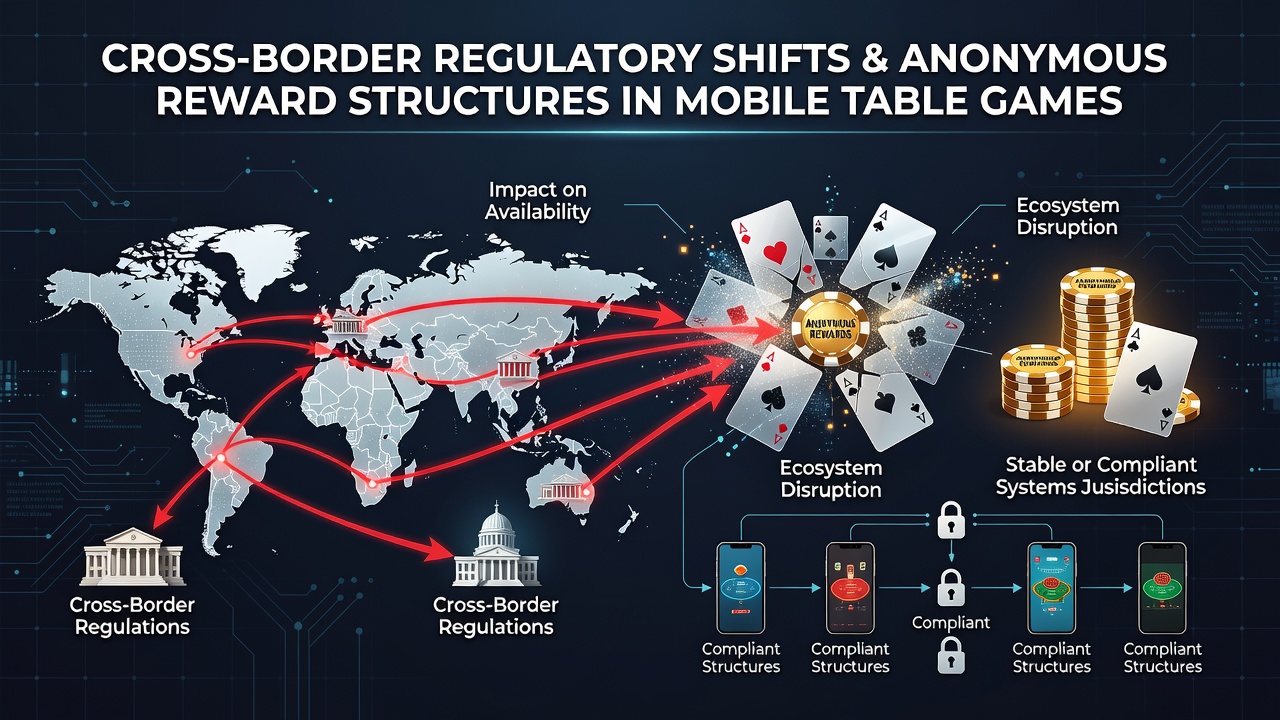
Data from multiple jurisdictions shows that cross-border regulatory changes continue to reshape how operators deliver anonymous reward structures within mobile table game platforms, including blackjack, poker, and roulette applications that run on synchronized devices. These shifts often stem from updated anti-money laundering frameworks, data protection rules, and licensing requirements that cross national boundaries, forcing platforms to adjust verification processes that previously allowed limited or no personal identification for bonus access.
Regulatory Frameworks Across Regions
European Union directives on digital services and financial transparency, implemented progressively through 2025 and into mid-2026, have prompted several member states to align mobile gaming reward systems with stricter customer due diligence standards. Observers note that operators must now synchronize reward eligibility checks with centralized databases, reducing the scope for fully anonymous entry incentives in table game ecosystems. In contrast, certain Asian markets have introduced phased licensing adjustments that permit tiered anonymity for low-stakes mobile sessions while requiring identification only after reward thresholds are crossed.
North American developments add further layers. Canadian provincial regulators, for instance, have expanded iGaming frameworks that tie reward structures to wallet integration rules, which in turn affect how anonymous credits flow across borders into United States-facing mobile applications. Research indicates that these alignments create friction points where a player’s reward history from one jurisdiction may trigger verification in another, limiting the availability of no-KYC bonus ladders previously common in table game apps.
Impact on Mobile Table Game Reward Availability
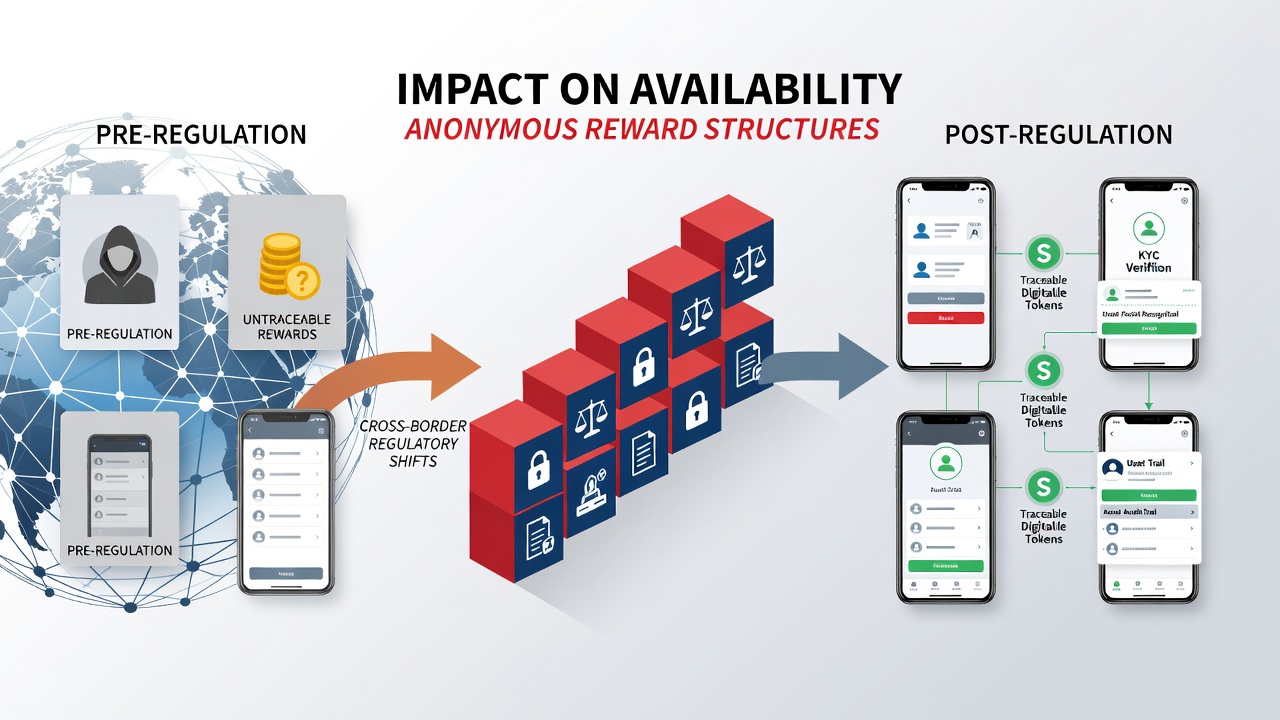
Anonymous reward structures typically rely on minimal data collection to grant free spins, deposit matches, or loyalty points for live dealer sessions. Cross-border rules have narrowed these options because operators face penalties for non-compliance when users cross from lenient to strict regulatory zones. Figures reveal that several major platforms adjusted their mobile table game interfaces in early 2026 to flag reward accounts that originate from regions with conflicting standards, effectively pausing anonymous features until additional documentation clears.
Take one case where experts tracked changes in multi-hand blackjack applications: reward accumulation tied to digital wallets became conditional on shared regulatory data feeds between operators licensed in different countries. This setup reduced the pool of eligible anonymous users by requiring progressive verification steps at specific payout thresholds. Those who studied these patterns found that reward redemption rates dropped in markets where cross-border agreements took effect during the first half of 2026.
Technical Adjustments and Operator Responses
Operators have responded by embedding geo-location filters and dynamic compliance modules into mobile table game software. These tools detect when a user’s activity spans multiple regulatory environments and automatically adjust reward visibility accordingly. According to information from the European Gaming and Betting Association, such modules now form standard practice for platforms seeking to maintain access across borders without violating local rules on anonymous transactions.
Encryption standards and real-time monitoring systems play a supporting role. Platforms integrate these features to log reward flows while still attempting to preserve user anonymity within permitted limits. Yet the technical overhead often leads to simplified reward menus that remove fully anonymous options for table game users whose sessions cross regulatory lines.
Future Patterns Emerging in July 2026
By July 2026, additional alignment efforts between Pacific Rim jurisdictions and North American regulators appear set to influence reward structures further. Data shows that mobile table game ecosystems are testing hybrid models where anonymous entry incentives remain available only within single-jurisdiction sessions, while cross-border play triggers status escalators that require verified accounts. Industry reports from Australian sources highlight similar experiments in which reward tiers scale with compliance levels rather than pure play volume.
These developments create a landscape where operators balance user retention against regulatory exposure. People who monitor these shifts note that reward structures once designed for seamless anonymous access now incorporate conditional flags tied directly to the user’s geographic and licensing profile.
Conclusion
Cross-border regulatory shifts have produced measurable changes in how anonymous reward structures operate inside mobile table game ecosystems. Operators continue to adapt through technical filters, adjusted verification thresholds, and region-specific reward menus. The patterns observed through mid-2026 indicate that availability of fully anonymous incentives will depend on ongoing harmonization efforts among regulatory bodies across continents, with data flows and compliance modules serving as the primary mechanisms for alignment.