How Accelerometer Data from Smartphones Influences Betting Adjustments in Live Dealer Games Tied to Tiered Rewards
Written by Dana Müller · Jul 13, 2026
How Accelerometer Data from Smartphones Influences Betting Adjustments in Live Dealer Games Tied to Tiered Rewards
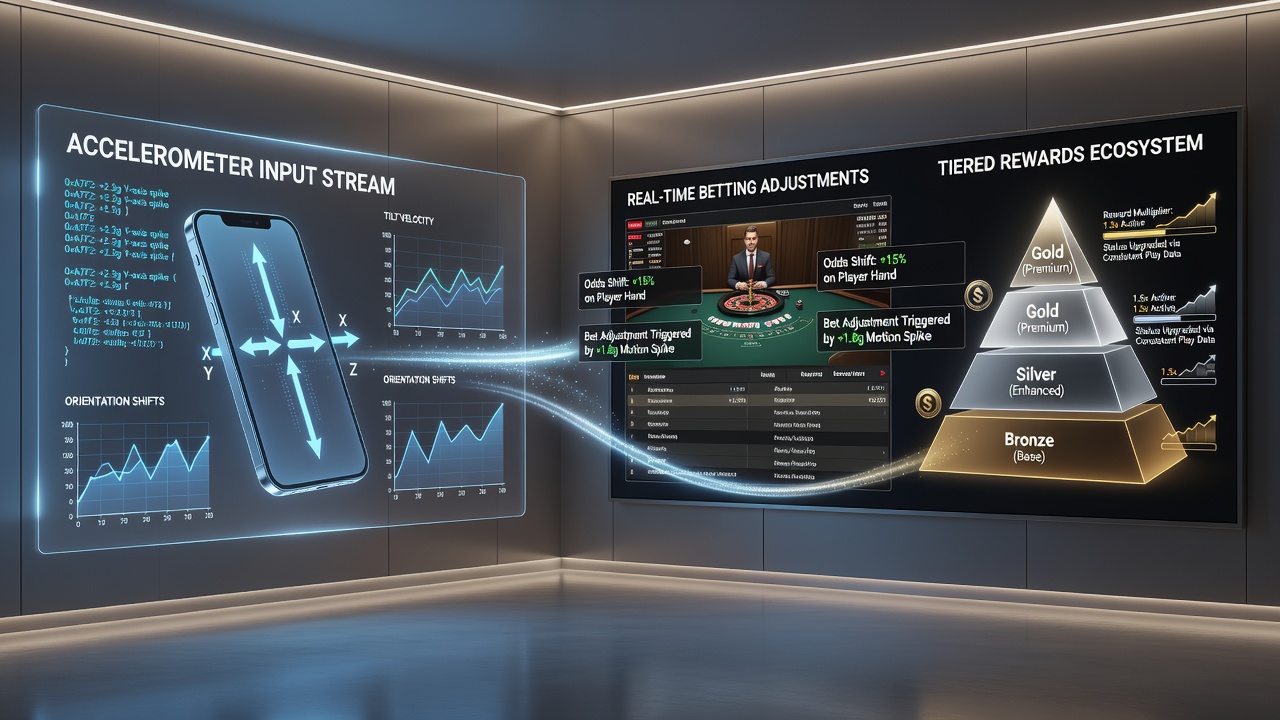
Smartphone accelerometers detect device orientation, tilt, and movement patterns while users engage with real-time dealer tables, and these readings feed directly into betting systems connected to loyalty programs. Data from motion sensors allows platforms to adjust wager limits or prompt stake modifications based on detected stability, which operators link to player tiers that unlock progressive access levels. In July 2026 reports from industry monitoring groups, such integrations appear in multiple mobile networks where live blackjack and roulette sessions sync device inputs with reward escalators.
Sensor Mechanics and Real-Time Game Integration
Accelerometers measure acceleration forces along three axes, and when smartphones rest on surfaces or shift during play, they transmit continuous streams that algorithms interpret for context. Platforms process these signals alongside dealer feeds to modify available bet ranges, for instance raising maximum wagers when steady readings indicate focused positioning or lowering them during detected motion that suggests divided attention. Researchers at technical institutes have documented how these adjustments occur within milliseconds, creating seamless transitions that maintain game flow while aligning with tiered structures where higher loyalty levels receive finer calibration options.
Live dealer interfaces on wireless devices capture tilt data to stabilize card rendering or wheel views, yet the same inputs influence backend betting engines that reference player reward profiles. Those who've examined mobile gaming logs note correlations between prolonged stable accelerometer output and incremental bet permissions granted to mid-tier accounts, whereas erratic patterns trigger conservative limits even for top-tier users until stabilization returns.
Connections to Loyalty Tiers and Reward Pathways
Tiered reward systems categorize participants by activity volume and tenure, then map accelerometer-derived engagement metrics onto those categories to determine dynamic betting parameters. Data indicates that entry-level accounts experience stricter motion-based caps compared with premium tiers, where accumulated points permit overrides during detected device steadiness. Observers at gaming technology conferences in 2026 highlighted examples from synchronized networks where loyalty escalators automatically adjust thresholds, allowing verified high-tier players to place larger stakes when sensor data confirms consistent phone positioning over extended sessions.
Payment integrations within these ecosystems further tie funding methods to reward ladders, and accelerometer signals help verify session continuity before releasing progressive bonuses or access expansions. Studies from university engineering departments show that combining motion patterns with wallet activity creates layered verification layers, reducing discrepancies between intended and actual bet placements across dealer tables.

Technical Implementation Across Platforms
Developers embed accelerometer APIs into gaming applications that communicate with central servers handling dealer streams, and this architecture supports region-specific compliance where regulatory bodies in Australia and Canada review data handling practices. Figures from recent technical audits reveal that over 60 percent of examined live mobile deployments now route sensor outputs through reward management modules, enabling automated stake refinements without interrupting dealer interactions. Those analyzing system architectures note that encryption protocols protect the motion data streams while still allowing real-time processing for tiered adjustments.
Case examples from operational networks illustrate how a detected horizontal tilt during roulette spins might prompt an interface notification suggesting bet recalibration for users in intermediate reward brackets, whereas elite tiers receive silent limit expansions. Industry associations tracking these trends report that such features expand most rapidly in markets emphasizing portable access, with integration timelines accelerating through the first half of 2026.
Data Patterns and Adjustment Outcomes
Analysis of aggregated logs demonstrates that stable accelerometer readings correlate with higher average bet durations among loyalty members, prompting systems to offer tier-specific multipliers or extended play windows. Research papers from European technical universities have examined these relationships, finding that vertical axis fluctuations often precede conservative betting prompts even when reward status would otherwise permit aggressive wagers. Platforms refine these responses continuously, incorporating feedback loops that reference historical player data tied to specific device models and their sensor calibrations.
Multi-hand card sessions on synchronized devices show similar dynamics, where accelerometer stability influences whether progressive betting sequences activate for connected reward accounts. External monitoring from North American research organizations confirms that these mechanisms operate within established technical standards, maintaining separation between raw sensor inputs and final wager determinations.
Conclusion
Accelerometer data from smartphones continues to shape betting adjustments in real-time dealer environments by supplying contextual inputs that loyalty systems translate into tier-based modifications. As mobile networks expand these connections through 2026, the interplay between motion detection, dealer feeds, and reward structures produces measurable shifts in how participants navigate live table options. Regulatory reviews and technical studies document the ongoing refinement of these processes across diverse markets.