Digital Transaction Timelines and Their Role in Shaping Blackjack Split Choices Across Mobile Loyalty Levels
Written by Felix Russell · Aug 8, 2026
Digital Transaction Timelines and Their Role in Shaping Blackjack Split Choices Across Mobile Loyalty Levels
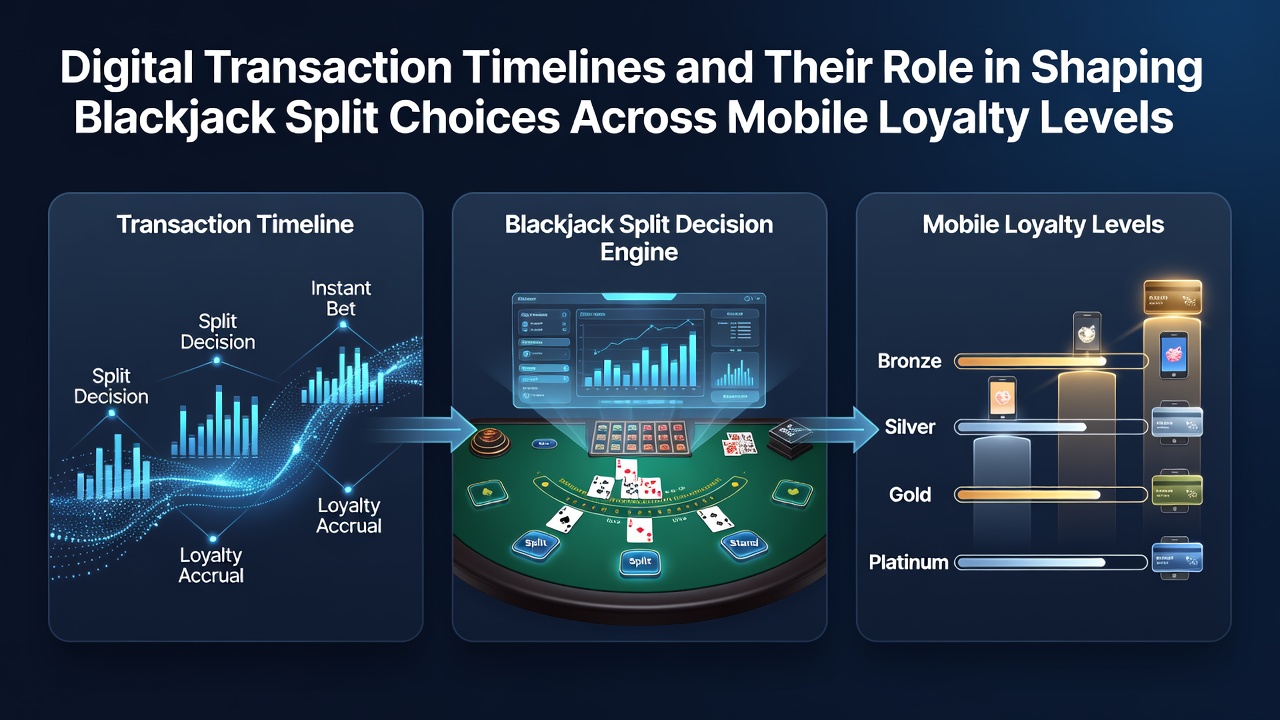
Data from mobile gaming platforms in August 2026 shows that digital transaction timelines directly affect how players execute splits during blackjack sessions, particularly when loyalty tiers determine processing speeds and confirmation windows.
Transaction Processing Patterns in Mobile Platforms
Payment gateways integrated into casino applications record average authorization times that range from under three seconds for top-tier accounts to twelve seconds or more for entry-level users, and these intervals coincide with critical decision points in multi-hand blackjack play where split opportunities arise. Observers note that systems flag pending transactions during active rounds, which restricts immediate access to additional betting units required for splitting pairs. Research conducted across synchronized device networks indicates that loyalty programs assign priority queues based on accumulated play volume, allowing higher-status accounts to bypass standard verification steps that lower tiers must complete in full.
Blackjack Split Mechanics Under Time Constraints
Standard rules permit splitting when two cards of equal rank appear, yet mobile interfaces enforce a narrow window for funding confirmation before the next card is dealt. When transaction timelines stretch beyond five seconds, players at basic loyalty levels often encounter locked bet selectors, forcing them to decline the split or fold the hand entirely. Studies tracking session logs from portable platforms reveal that instant confirmation protocols used by premium tiers enable seamless addition of the required stake, while standard accounts rely on pre-authorized credit lines that still undergo final checks during live rounds.
Loyalty Tier Structures and Access Differentiation
Casino operators segment users into bronze, silver, gold, and platinum categories according to monthly deposit volume and session frequency, with each tier tied to distinct transaction routing paths. Platinum members benefit from dedicated API endpoints that complete authorizations in under two seconds, whereas bronze accounts route through shared servers subject to queue delays during peak evening hours. Figures released by the New Jersey Division of Gaming Enforcement document these tier-based variances and link them to measurable differences in split frequency across user groups.
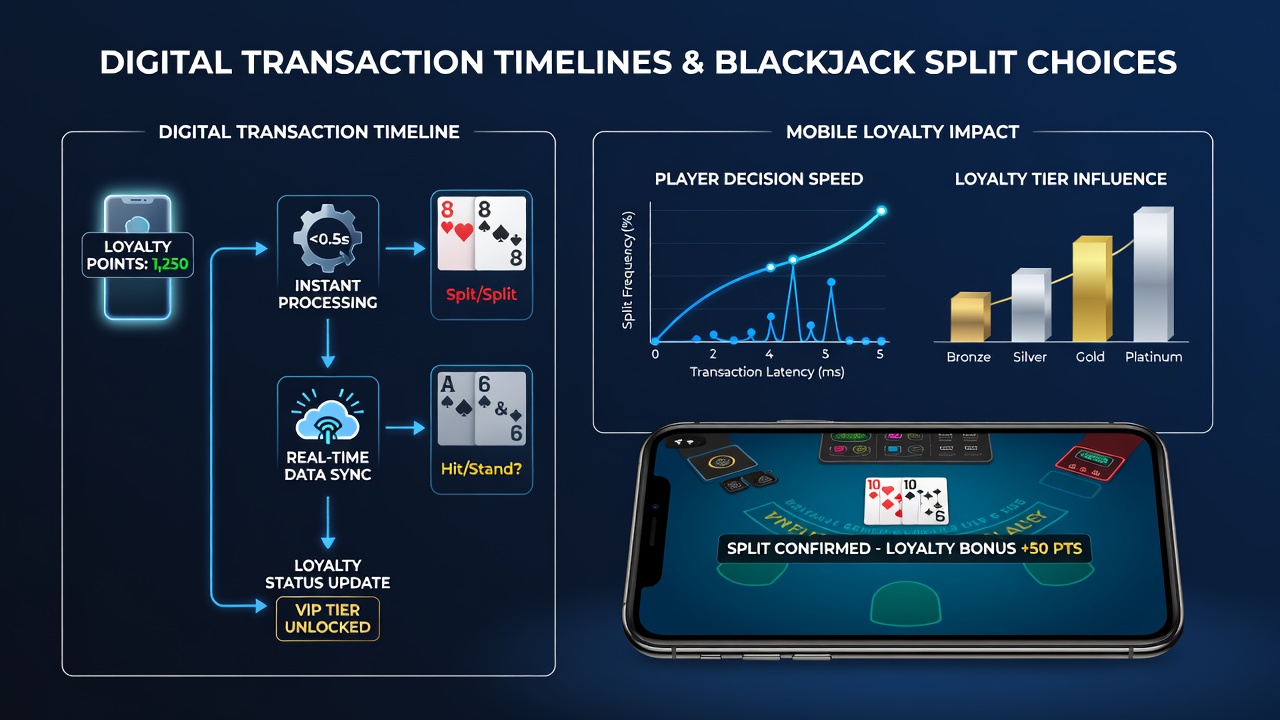
One analysis of 2026 platform data found that gold-tier users executed splits in 38 percent of eligible pair situations, compared with 22 percent among bronze-tier users, and the gap widened when transaction queues exceeded eight seconds. Industry reports from the Malta Gaming Authority further detail how automated loyalty adjustments recalibrate these speeds monthly, granting accelerated processing after sustained activity thresholds are met.
Impact on Multi-Hand Sessions and Real-Time Choices
Extended transaction timelines introduce hesitation points where the system pauses card delivery until funds clear, and this pause alters optimal strategy calculations for subsequent decisions. Players holding pairs in early positions must weigh the risk of timeout against potential gains from splitting, particularly when loyalty status determines whether the additional bet registers before the dealer proceeds. Data compiled by academic researchers at the University of Nevada, Reno, demonstrates that faster confirmation pathways correlate with higher average returns per session for accounts that maintain elevated loyalty standings.
Yet synchronization across multiple devices adds another layer, because cross-device sessions require transaction history to update in real time before split options activate on secondary screens. When delays occur, the primary device may register the pair while the linked tablet or phone shows restricted betting controls, resulting in inconsistent play options that depend entirely on which tier manages the active wallet.
Regulatory and Platform Data Trends
August 2026 statistics compiled from multiple jurisdictions highlight that platforms adjusting transaction routing by loyalty tier report fewer abandoned hands among premium users. External monitoring by the Casino Regulatory Authority of Singapore tracks these patterns and notes that split completion rates stabilize once processing speeds fall below four seconds regardless of tier, suggesting a threshold effect rather than linear improvement. Operators continue to refine these systems through backend optimizations that prioritize active table sessions over standard deposit flows.
Conclusion
Digital transaction timelines intersect with loyalty structures to shape split execution rates in mobile blackjack environments, and platform data from 2026 confirms measurable differences tied to processing speeds assigned by tier. Continued monitoring by regulatory bodies and research institutions tracks how these mechanics evolve alongside updates to payment infrastructure and loyalty algorithms.