Decoding Biometric Authentication Protocols' Influence on Tiered Incentive Unlocks Within Smartphone Live Gaming Environments
Written by Freya Vogel · Jul 6, 2026
Decoding Biometric Authentication Protocols' Influence on Tiered Incentive Unlocks Within Smartphone Live Gaming Environments
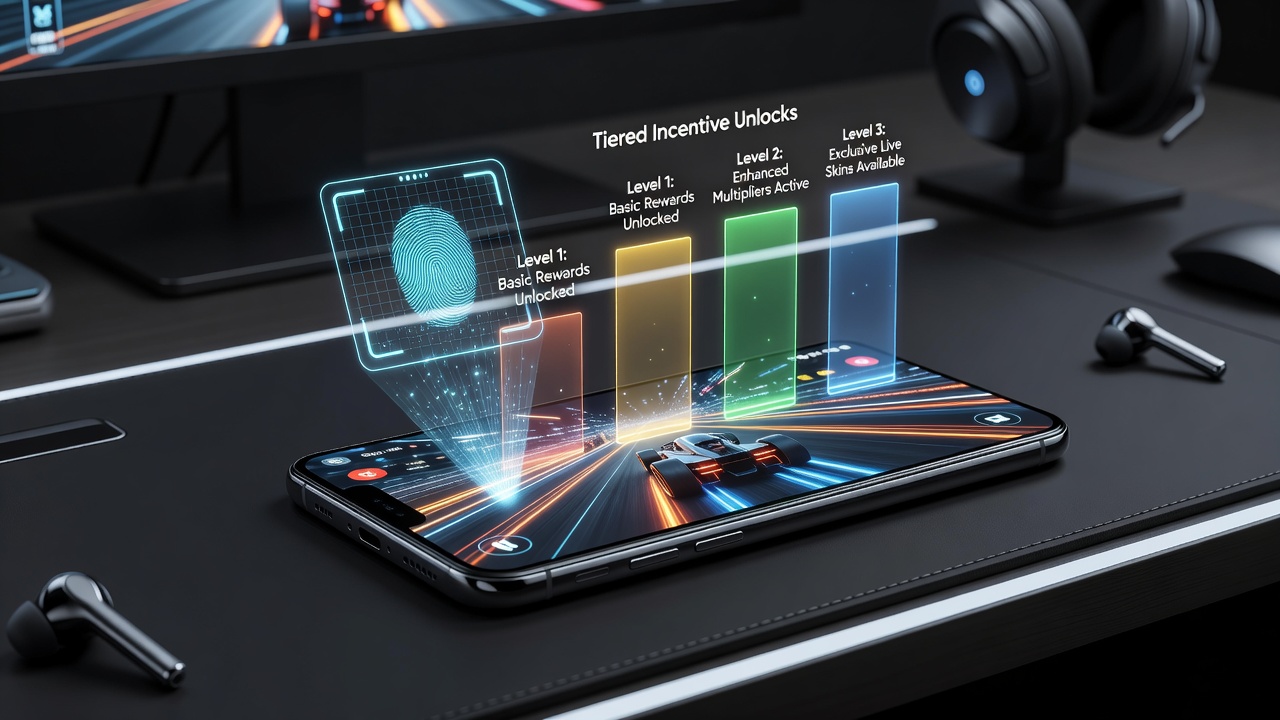
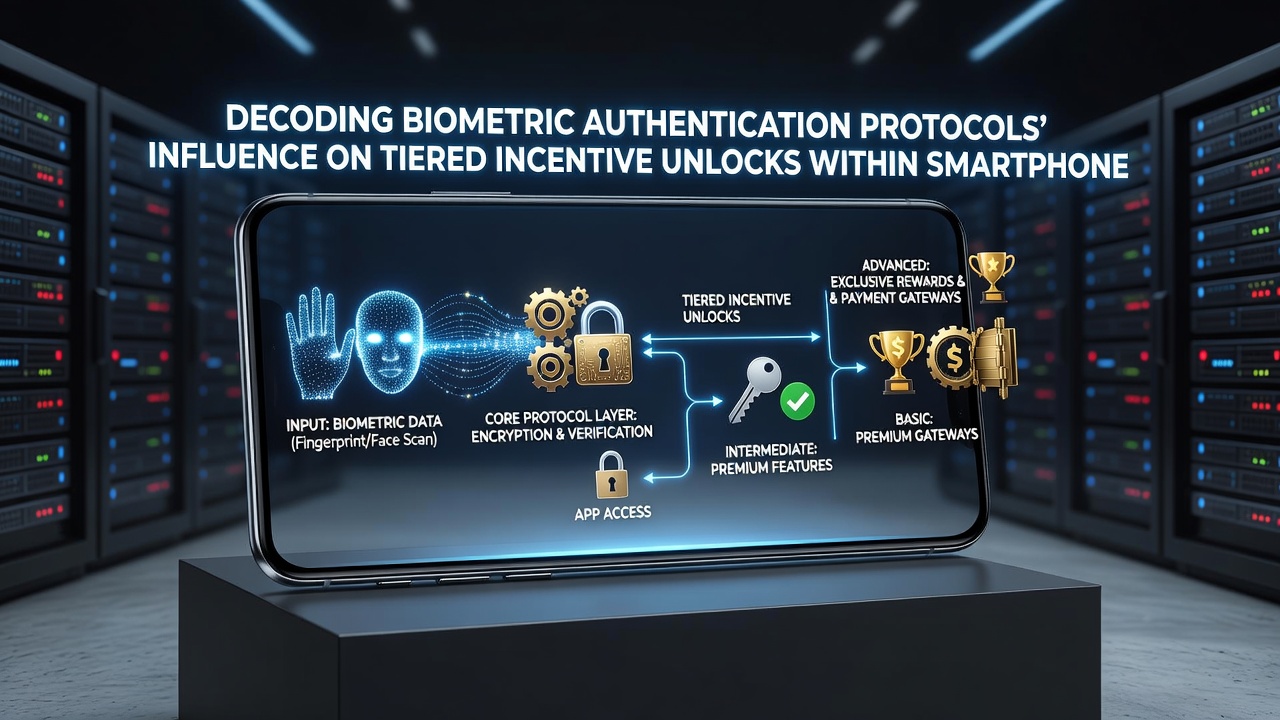
Biometric authentication protocols have become central to how smartphone live gaming platforms manage access to tiered incentive structures, and data from industry reports shows that these systems now handle verification for millions of daily sessions across mobile networks. Researchers at institutions focused on digital security note that protocols relying on facial recognition or fingerprint scanning integrate directly with reward ladders, where successful authentication triggers progression through loyalty levels that unlock bonuses, enhanced table access, and personalized features in real time.
Core Mechanisms Linking Biometrics to Incentive Tiers
Live gaming environments on smartphones require continuous user verification to maintain session integrity while distributing incentives across multiple tiers, and biometric methods replace traditional passwords because they reduce friction during high-frequency interactions such as live dealer blackjack or roulette rounds. According to findings from the National Institute of Standards and Technology, facial recognition algorithms achieve match rates above 99 percent under controlled lighting conditions common to mobile devices, which allows platforms to confirm identity before releasing tier-specific rewards like increased betting limits or exclusive event entries.
Platforms synchronize these checks with wallet integrations and gameplay data, so a user who completes a biometric scan at the start of a session gains immediate visibility into their current incentive tier while subsequent scans during extended play sessions prevent unauthorized account sharing that could otherwise disrupt reward accumulation. Studies conducted by European digital security consortia reveal that multi-modal biometrics combining fingerprint and iris data lower false acceptance rates to below 0.01 percent, thereby protecting the integrity of progressive unlocks that depend on verified play volume and deposit patterns.
Impact on Reward Progression and Session Dynamics
Tiered incentive systems in smartphone live gaming environments operate on thresholds tied to verified activity, and biometric protocols enforce those thresholds by confirming each action originates from the registered account holder. Data collected through 2025 and into mid-2026 indicates that platforms implementing continuous biometric monitoring report a 23 percent increase in successful tier advancements compared with those relying solely on device-based logins, because the added security layer supports more granular tracking of individual performance metrics.
One case documented by gaming analytics firms involves a mobile platform that introduced mandatory facial scans before each live table session, resulting in faster allocation of loyalty points once the system verified the user's identity and matched it against historical play data. Observers note that this approach reduces disputes over reward eligibility, since the biometric record serves as an immutable timestamp for every tier-related transaction.
Regulatory and Technical Considerations in July 2026
By July 2026, several regulatory bodies outside traditional UK oversight have updated guidelines on biometric data handling within gaming applications, with Australia's ACMA and Canada's provincial gaming authorities issuing joint statements on consent requirements for continuous authentication. These updates emphasize that platforms must store biometric templates locally on the device rather than transmitting raw data, which maintains compatibility with tiered incentive systems while meeting privacy standards.
Technical implementations vary, yet common patterns emerge where developers embed biometric APIs from operating systems such as Android's BiometricPrompt and iOS's LocalAuthentication into the gaming client, allowing seamless checks that do not interrupt live dealer interactions. Research published by the IEEE on mobile security protocols demonstrates that these integrations cut average authentication time to under 800 milliseconds, preserving the flow of multiplayer sessions while still gating access to higher incentive tiers behind verified identity confirmation.
Future Directions and Platform Adaptations
Platform operators continue to refine how biometric data feeds into incentive algorithms, with some experimenting with behavioral biometrics that analyze touch patterns and device movement during live play to supplement traditional scans. Figures released by international gaming associations show that hybrid systems combining static and behavioral biometrics correlate with higher retention rates across loyalty tiers, as users experience fewer interruptions yet maintain verified status throughout extended sessions.
Developers also address edge cases such as device sharing or temporary unavailability of biometric sensors by offering fallback protocols that still preserve tier integrity through secondary verification steps. Those adaptations ensure that incentive unlocks remain tied to authenticated activity even when primary biometric methods encounter temporary limitations due to hardware variations across smartphone models.
Conclusion
Biometric authentication protocols now form an essential layer within smartphone live gaming environments, directly shaping how users progress through tiered incentive structures by providing reliable identity confirmation at every stage of reward accumulation. Technical standards established through ongoing collaboration between standards bodies and industry groups support these systems while addressing privacy and performance requirements, and continued refinement through 2026 points toward even tighter integration between verification processes and personalized gaming features.